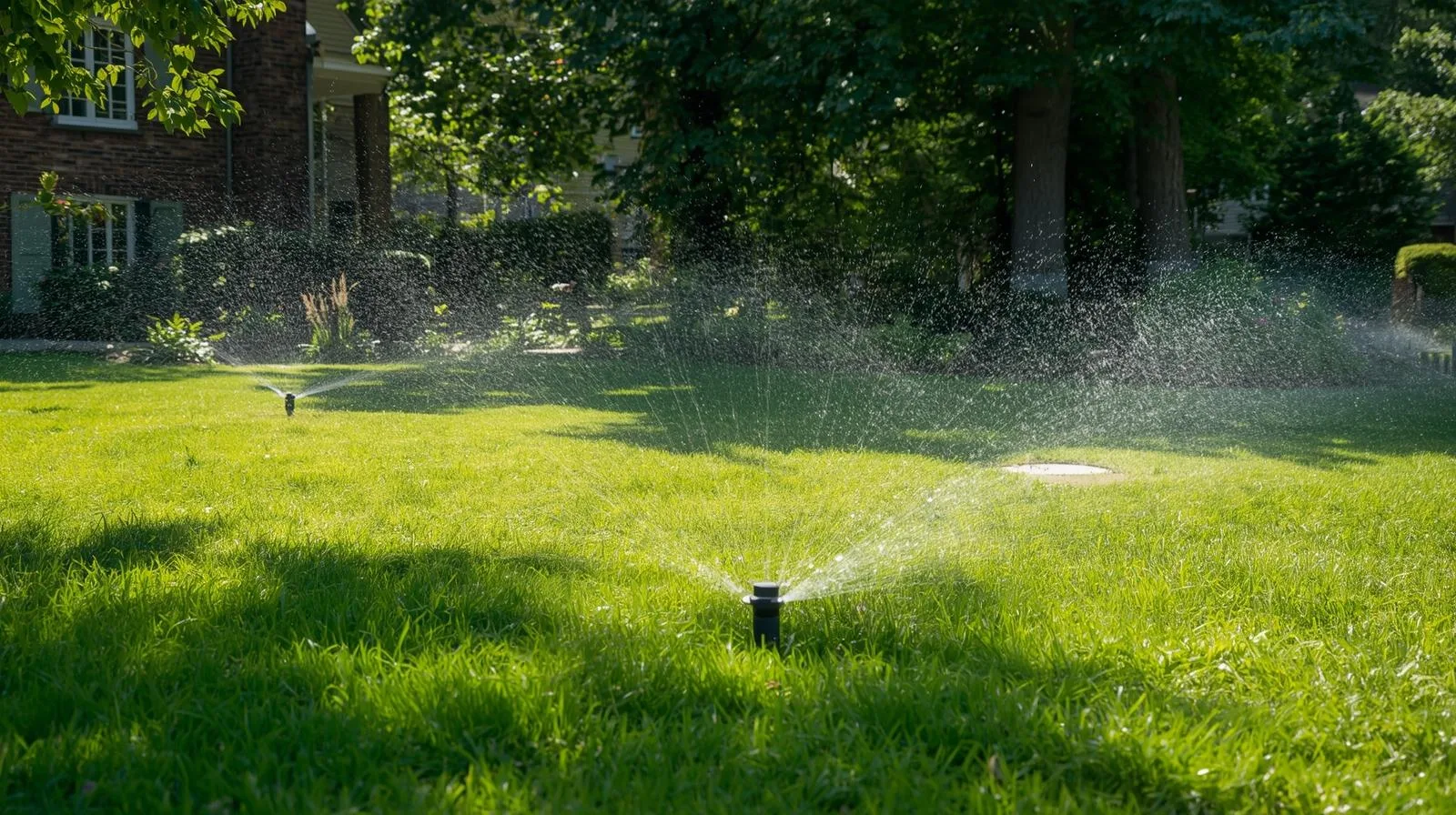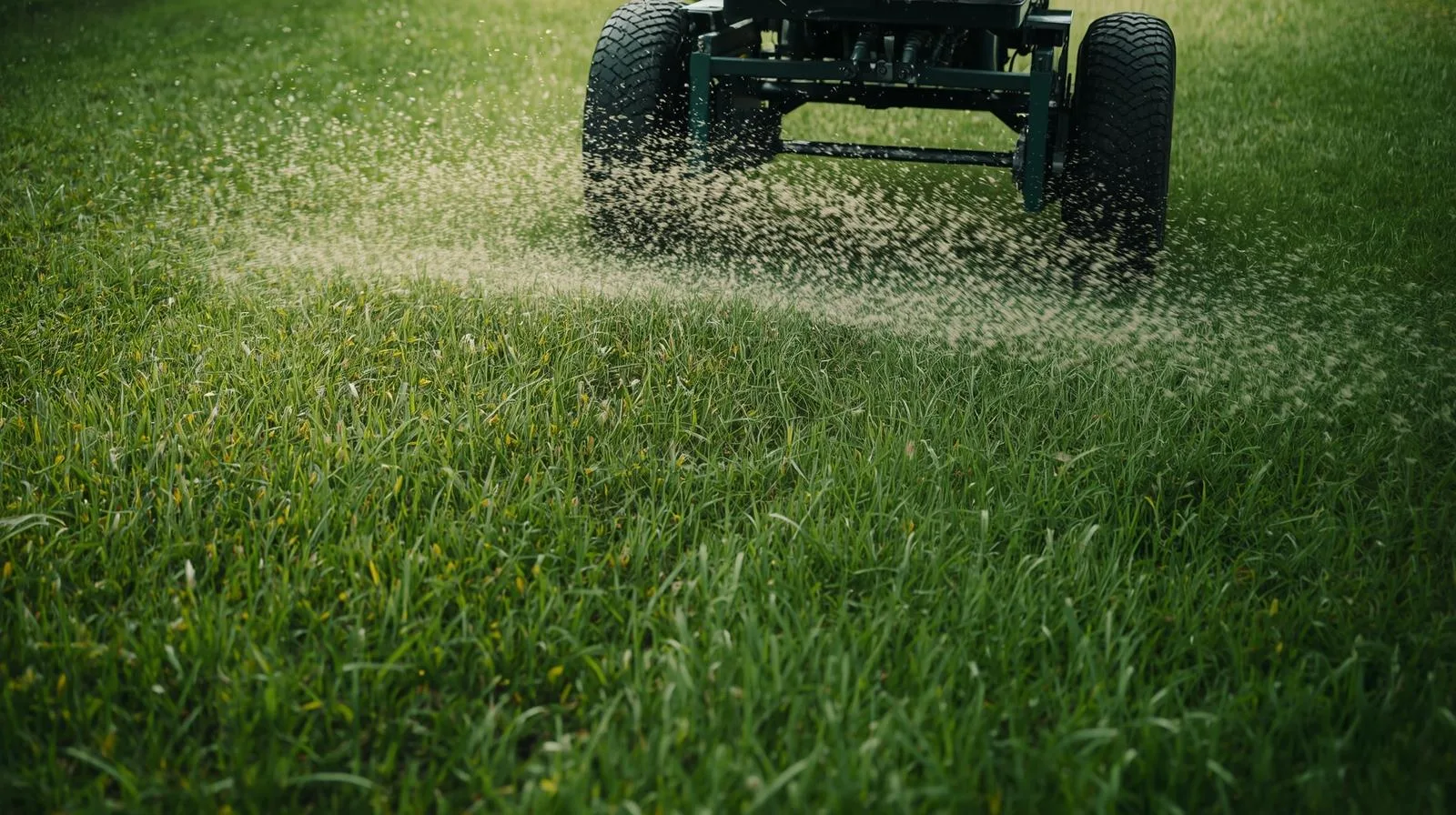
Waxhaw lots often combine slope, Carolina clay, and mature shade in ways that fight a one size irrigation map. Driveways climb, side yards drop toward woods, and tall fescue under oaks holds moisture while sunny banks shed water after a short storm. Planning lawn care here means checking grade and canopy before you copy a flat village schedule from a neighbor.
Pine Valley Turf Management serves Waxhaw with programs tuned to those patterns. Call 704-831-8917 when you want a site walk that starts with slope, shade, and clay instead of a product list alone.
Start with how your Waxhaw lot sheds water
Walk the property after a typical afternoon storm. Note where sheet flow leaves the driveway, where downspouts empty, and which corners stay soft into the next day. Sloped front lawns can look dry at the crest while a toe near the street holds a dark band. That slope pattern belongs in every irrigation and drainage conversation.
Our storm runoff and standing water article explains edge ponds and leader splash across the metro. On Waxhaw slopes the same physics show up as rills beside walks and soft seams at the bottom of banks. Yard drainage may lead when water repeatedly sits, while controller edits help only the zones that fail a depth probe.
Clay depth and soak cycles
Red clay on Union County lots often seals after a light surface wet. Long single cycles sheet downslope before roots two inches down see moisture. Several shorter soak cycles with rest time between them usually move water deeper on banks that face afternoon sun. Shaded areas under hardwoods need fewer minutes, not a copy of the sunny bank runtime.
Read smart lawn watering before you raise every valve the same amount. Probe crest, mid slope, and toe separately after a normal cycle. Footprints that linger only on the hot bank point to depth on that strip, not a need to flood the shaded middle.
Shade, tall fescue, and humid nights
Mature canopy along Waxhaw streets and wooded rear lots keeps dew on tall fescue after sticky nights. That moisture favors disease when heat returns, especially if irrigation still runs spring minutes on shade. Blotchy olive patches under trees can be disease, shallow water, or soft overwatering that never reaches depth.
Sort those signs with our brown patch or drought short lawn quiz before you stack fungicide and fertilizer on the same afternoon. Lawn disease control belongs when rings and soft tissue match humidity history. Culture and depth belong when the screwdriver stops hard on clay after a short cycle.
Mowing, traffic, and program rhythm on slopes
Gate paths and mailbox runs on sloped entries compress clay where sneakers cut diagonally uphill. Tall fescue recovers slower on those stripes when height is too low and water sheets past the crown. Professional lawn mowing and the habits in our mowing height article keep leaf area sane while you fix depth and foot traffic on those stripes.
Coordinated lawn care with fertilization and weed timing keeps open turf competitive on warm edges once water movement is realistic. Weeds fill thin canopy on banks that stay dry at the crest and soft at the toe. Spot sprays without culture changes often return the same thin strip after the next heat week.
Compaction, aeration, and seeding windows
Brick hard clay on kid paths and parking overflow strips limits both air and water. Core aeration in the correct season helps once you stop flooding shade to fix a sunny bank. Thin banks may need overseeding after moisture and traffic plans make sense. Seeding into a chronic runoff seam usually produces a green ribbon that fades when the next storm cuts the same channel.
Soil conditioning may join the conversation when tests or history show pH or organic matter limits on older Waxhaw lawns. Mention any recent grading, new hardscape, or tree work when you call so the plan matches the current canopy and pitch.
Nearby towns and when comparisons help
Waxhaw shares clay and heat with Weddington and parts of Charlotte, yet slope and wooded shade change the map on many local streets. Compare towns only when you manage more than one address. For a single Waxhaw lot, crest to toe photos and controller notes matter more than metro generalizations.
What to send before a Waxhaw visit
Email two photos of the crest and toe after a storm, one photo of shaded fescue under trees, and a short note on which valves cover sun banks versus shade. List any retail products applied in the last thirty days. Those files turn a phone call into a working session.
Request a free quote through our contact page, or call 704-831-8917 with your slope sketch and quiz outcome if you already sorted disease versus drought. Pine Valley Turf builds lawn and irrigation plans around real grade, real clay, and real shade on Waxhaw properties. Visit the Waxhaw service area page when you want local service area notes before the visit.