Humid heat after a stretch of warm nights leaves Charlotte tall fescue sending mixed signals. Shaded areas look olive or blotchy while open sun still holds color. Controllers may still run spring minutes. Homeowners often reach for one product when three different problems can look similar from the driveway: brown patch disease, true drought stress, and soft overwatering that keeps crowns wet while roots stay shallow on clay.
Pine Valley Turf Management helps you sort those signs before you stack treatments. Use this short quiz as a starting checklist, then walk the yard with photos in hand. Call 704-831-8917 when you want a technician to confirm what you see on site.
Why shaded tall fescue confuses the picture
Tall fescue under oaks and along north walls holds dew longer after humid nights. That moisture favors fungal activity when daytime heat returns. The same shade can also hide irrigation that never reaches depth because clay seals after a light surface wet. Drought stress on the sunny apron can sit next to a soggy shade band on one controller map. Treating the whole lot as one problem usually wastes product and time.
Read our mowing height protects tall fescue article when height and leaf wetness stack with heat. Height discipline will not cure disease, yet scalping shaded turf makes every other stress louder.
What brown patch tends to look like
Brown patch on tall fescue often shows circular or irregular blotches with a darker outer ring when humidity stays high overnight. Blades may feel soft or water soaked at the edge of the patch. Morning fog or long dew on shaded turf raises the odds after several sticky nights. Disease pressure belongs in a different sentence from footprints that linger only on hot open strips.
If blotches match that pattern, lawn disease control and a calm culture review matter more than adding fertilizer alone. Pair that conversation with steady lawn care so feeding and weed timing do not fight recovery on stressed tissue.
What drought and shallow water look like
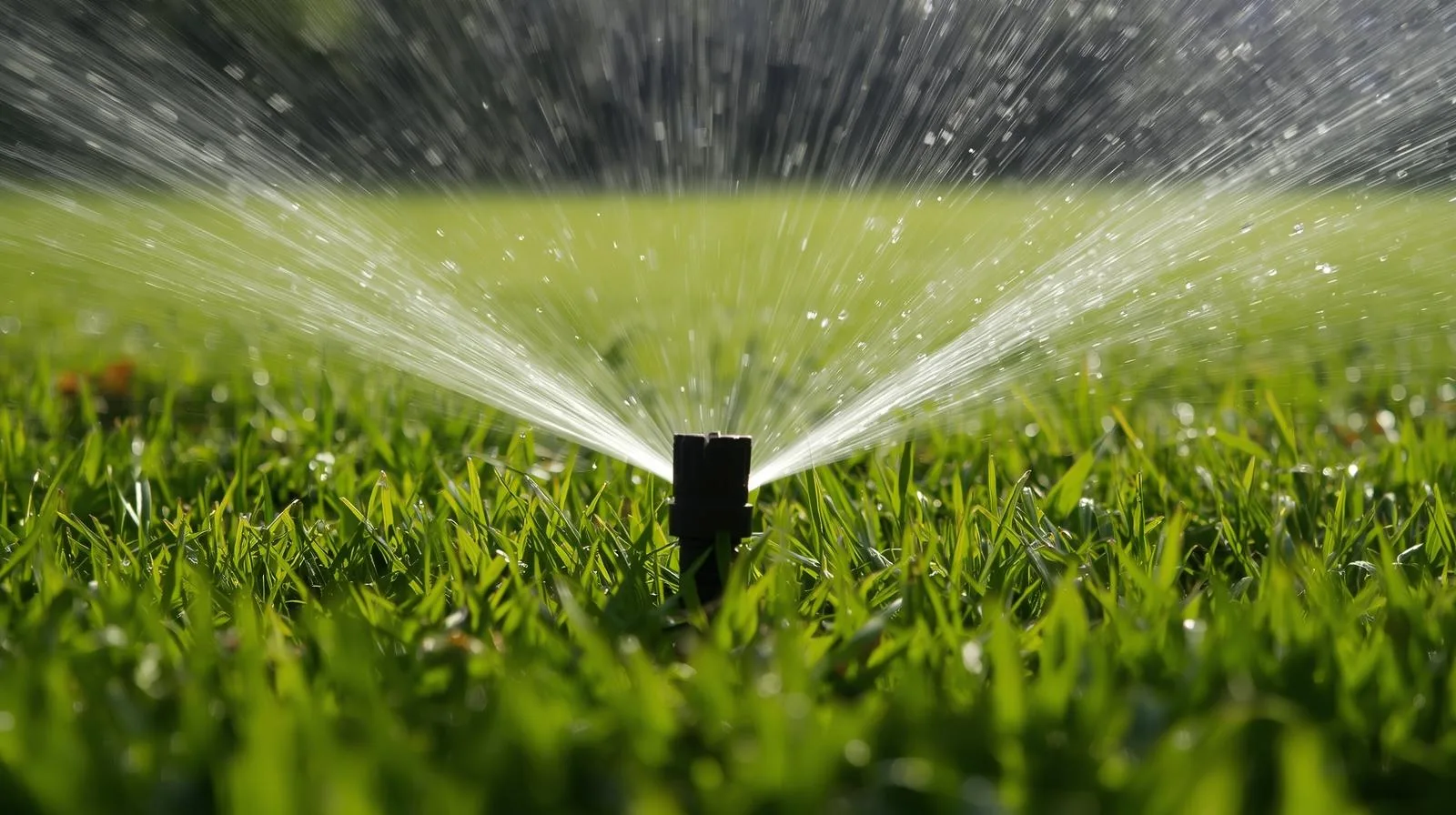
Drought stressed fescue often folds or dulls first on pavement facing strips and slopes where clay sheds water. Footprints may stay visible into the afternoon on those bands while shade still looks acceptable. A screwdriver that stops hard an inch down after a short cycle points to depth, not a need to flood every zone. Several shorter soak cycles often beat one long run that sheets off the surface.
Our smart lawn watering guide and the storm runoff and standing water piece help separate dry crowns from edge ponds after afternoon storms. Irrigation edits belong on the valve that fails the probe test, not as a global rewrite that soaks shade already holding dew.
When program timing and fertility sit in the middle
Sometimes color slips on firm ground without classic rings or hard dry footprints. Weeds thicken on warm edges while the open lawn looks tired after heat arrives and the feeding calendar never adjusted. That pattern often points to program rhythm: coordinated lawn fertilization and weed control rather than a disease spray or a blind water increase. Soft, constantly wet shade with weak color can also mean overwatering that invites disease while fertility stays off schedule.
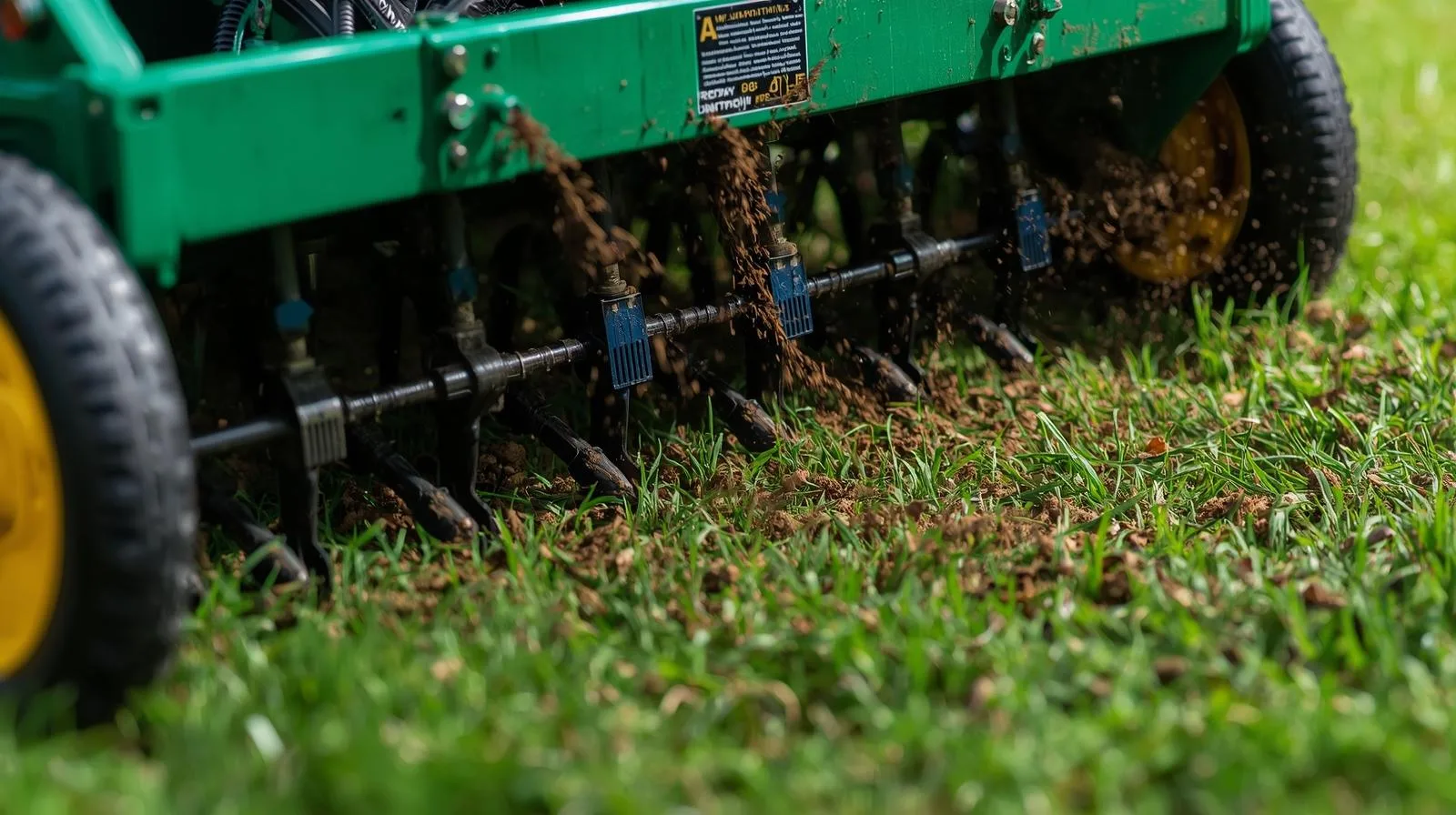
Soil conditioning may join the map when history shows pH or organic matter limits. Compaction on gate paths can mimic drought until core aeration in the correct season opens the profile. None of those steps replace a clear disease or depth read when blotches or hard dry clay are obvious.
How to use the quiz results
Answer the four questions below with the loudest pattern on your lot, not the one you hope is true. Outcome A leans disease. Outcome B leans irrigation depth and drought stress. Outcome C leans program timing, fertility, and culture on firm ground. Cross check your result against photos taken in morning light and again at dusk.
If you manage property in Charlotte or nearby Union County towns, note shade species, recent controller changes, and any retail products applied in the last thirty days before you call. Waxhaw slopes and clay pockets have their own irrigation notes in our Waxhaw area guide for lawn care and irrigation.
Practical next steps after you score
Photograph patch edges, sunny aprons, and the shade band under trees. Probe soil in each zone after a normal cycle. Raise mowing height on tall fescue before you chase color with nitrogen on heat stressed tissue. Skip random fungicide and fertilizer stacks on the same afternoon without a clear primary read.
Pine Valley Turf coordinates disease, water habits, and program timing across the metro. Contact us for a free quote, or call 704-831-8917 with your quiz outcome and two photos so the visit starts with the right questions.
Take the quiz below, then keep this page bookmarked when humid nights return and shaded areas change first.