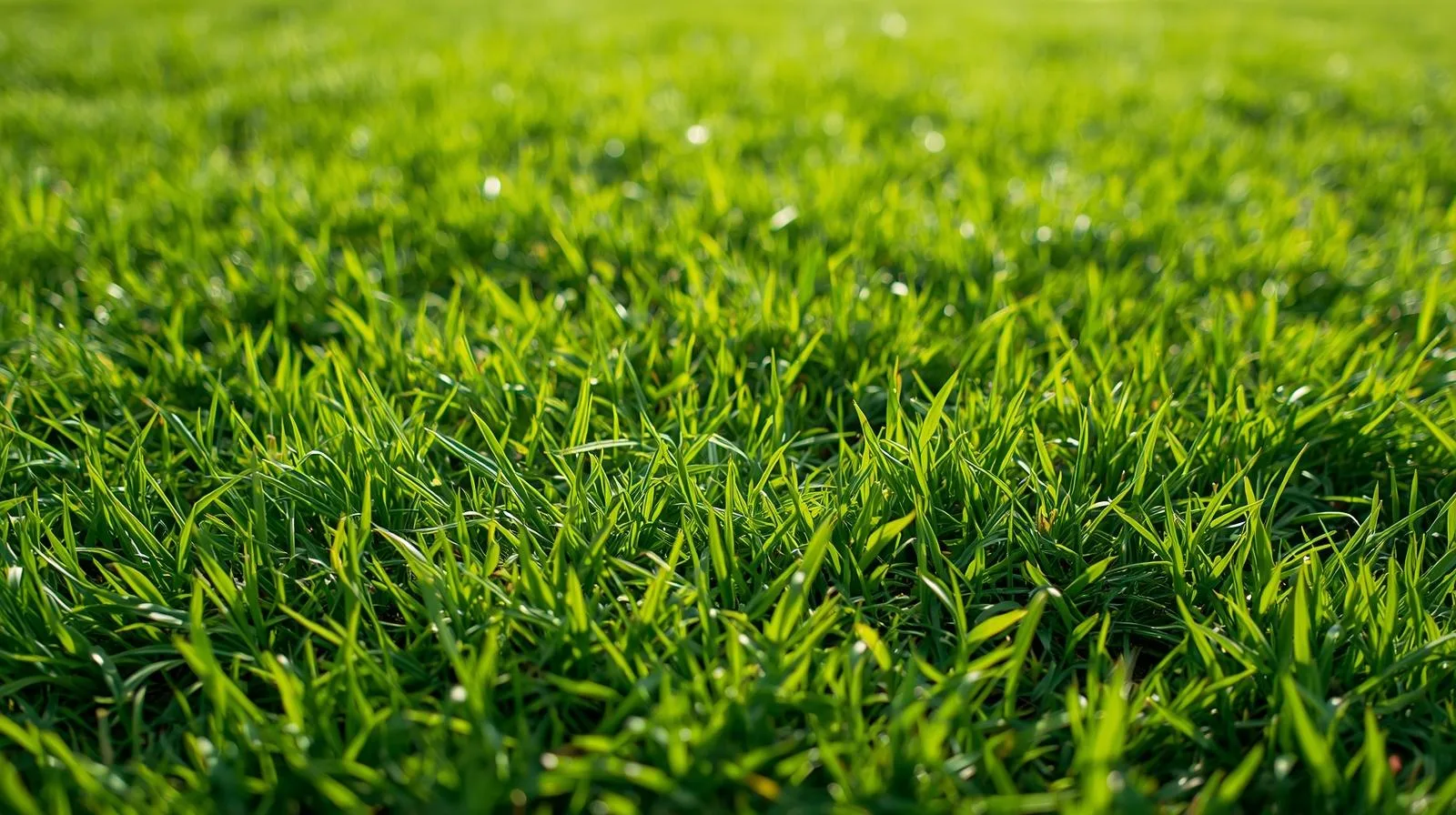
When the weather app shows two weeks without real rain and your lawn in Cornelius or Harrisburg starts to look dull, the first impulse is often to run the sprinklers a little every night. That pattern can keep the top inch damp while roots stay shallow and the grass still looks tired by August. Smart watering in the Charlotte area means fewer runs, more water each time, and attention to how clay soil drinks compared with sandier pockets you might see closer to Lake Norman.
Pine Valley Turf Management supports homeowners across the region with lawn care and soil conditioning so irrigation choices line up with feeding, mowing height, and realistic expectations for tall fescue.
Why Shallow Daily Sprinkling Falls Short
Grass roots follow moisture. If water only wets the surface, roots stay shallow and the lawn becomes dependent on you showing up every evening. A sudden week off from watering or a windy dry spell then hits harder because there is no deep root mass to draw from. Clay soil also accepts water more slowly than people think, so short cycles can run off down the street before the ground ever gets a good drink. Neighborhoods near Lake Norman can see breezy afternoons that pull moisture off leaves faster than inland lots, so checking the soil with your own eyes beats trusting a generic timer setting copied from a friend in another state.
Signs Your Lawn Is Asking for a Change
Footprints that stay visible long after you walk across the turf, a blue gray cast in the afternoon, and grass blades that fold lengthwise are common clues. In Mooresville and Kannapolis neighborhoods, hot pavement nearby can speed up those signs on the strips next to driveways. Checking a few inches into the soil with a screwdriver or soil probe after a watering cycle tells you whether moisture reached four to six inches down or only painted the top.
Timing Runs for Less Waste
Early morning, finishing before strong sun, is usually the best window. That gives leaves time to dry and lowers the chance of fungus taking hold in grass that stays wet all night. If your controller only allows evening runs, shift toward larger gaps between deep soaks rather than misting every night.
How Much Water per Week
Most established tall fescue lawns want about one inch of water per week from rain plus irrigation combined, adjusted up a bit during ninety degree stretches with no rain. Put out open topped cans or small tuna tins while the system runs to see how long it takes to reach half an inch in one cycle, then build from there. Splitting that total across two or three days usually beats a marathon flood once a week on heavy clay because some water needs time to move in.
Pairing Water With Soil and Feed
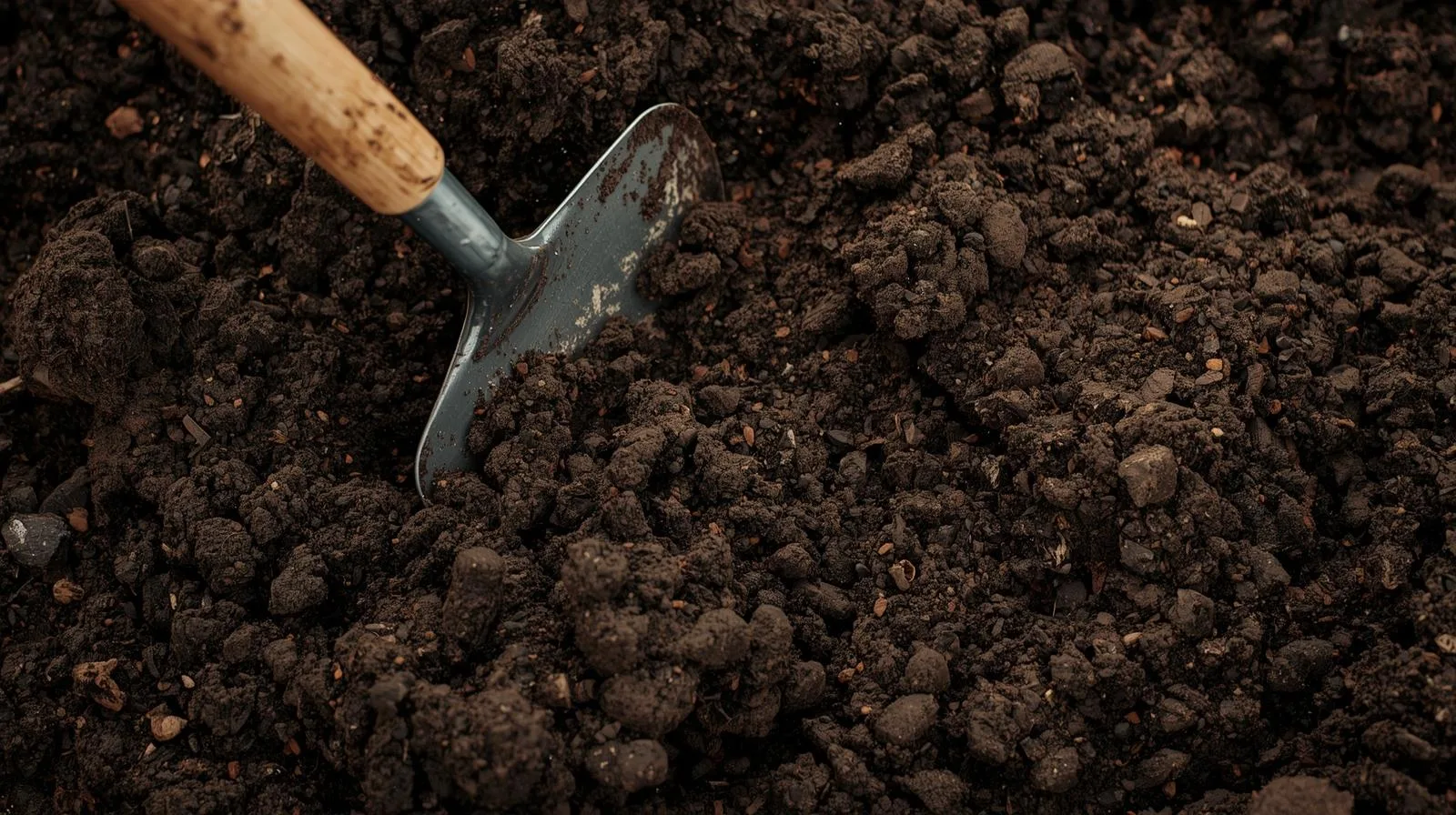
Compacted soil rejects water even when you run the clock longer. If water always runs off, aeration in the proper season and attention to grade may matter more than another minute on the timer. Balanced lawn fertilization supports root growth that can use the water you apply, while too much fast acting nitrogen right before heat can push growth that demands even more water.
Do It Yourself Checks Before You Call Anyone
Walk the zones while they run once a month. Look for tilted heads, spray hitting pavement, and dry corners that never get hit. Replace broken nozzles and clear mulch that blocks spray. If one zone always looks dry while another looks soggy, the fix may be pressure or head spacing rather than more minutes on the whole system.
Rain Sensors and Simple Controller Habits
If your irrigation system does not pause after a half inch of rain, you are paying to water soil that nature already soaked. A working rain sensor or smart controller that looks at local rainfall saves money and lowers disease pressure from overwatering. Even without new gadgets, flipping the system to off during a wet week is a habit that protects roots from sitting soggy while the sun returns.
Soil Conditioning and Long Dry Spells
When water seems to vanish as soon as it hits the ground, organic matter and soil conditioning treatments can help the root zone hold moisture a little longer between runs. That is not a substitute for fixing compaction or grade, but it can smooth out the peaks and valleys during the dog days of July and August. Ask how our soil conditioning fits the rest of your lawn program if dry patterns repeat every year.
If you want a second opinion on how your lawn is using water, we can review your turf, soil, and maintenance plan together. Contact Pine Valley Turf Management for a free quote. We work with properties from Davidson to Indian Trail on lawn care that fits North Carolina weather.