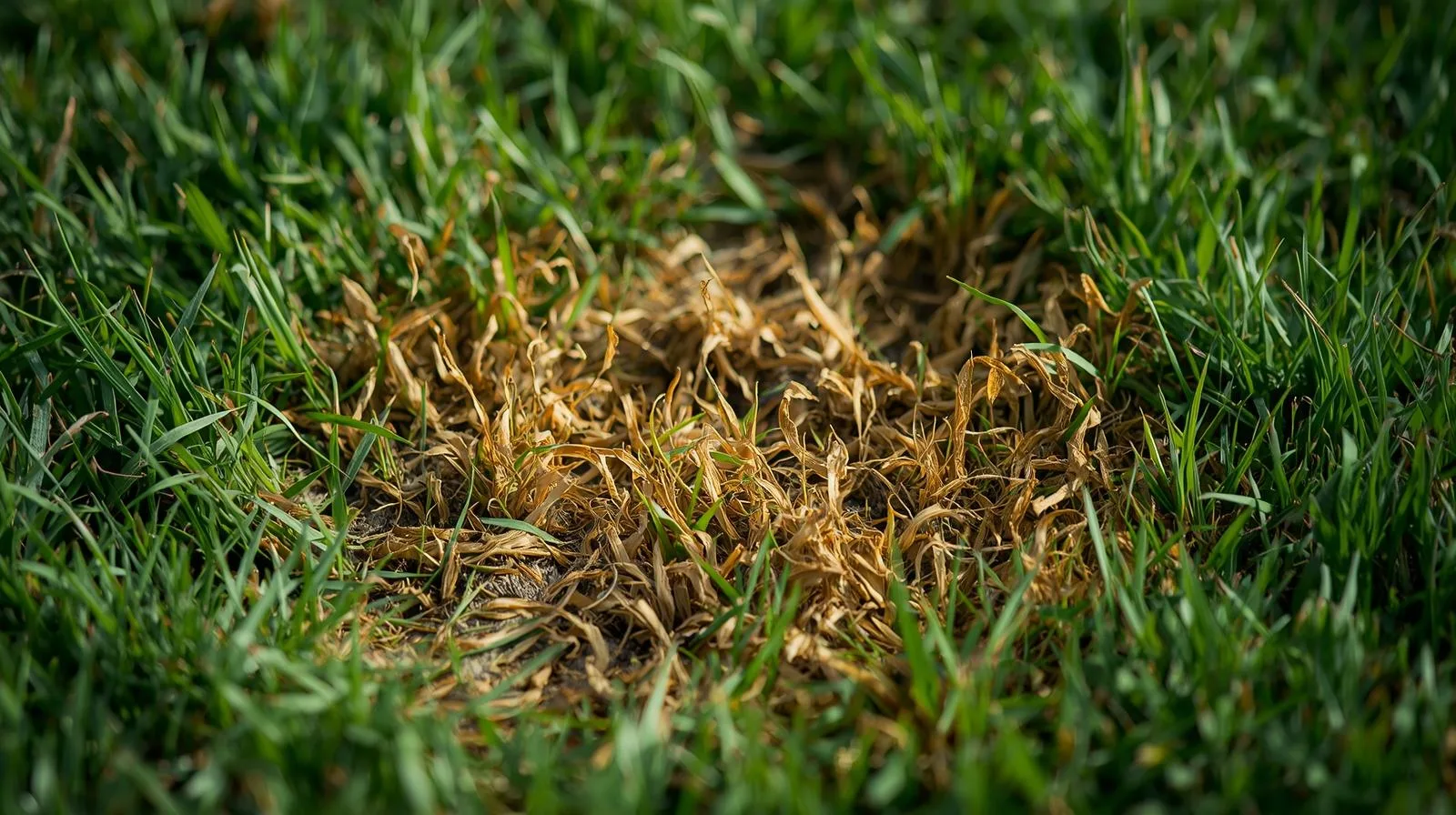
North Carolina lawns face a long season of humidity, afternoon storms, and clay that holds moisture. Those conditions favor fungal diseases on tall fescue and stress-related problems on bermuda and zoysia. Prevention is almost always cheaper than rebuilding thin turf after a bad stretch.
Pine Valley Turf Management offers lawn disease control alongside fertilization, insect programs, and mowing guidance for Greater Charlotte properties.
Know the usual suspects
Brown patch, dollar spot, and related foliar diseases often show when nights stay warm and wet. Patterns that follow shade, irrigation heads, or footprint tests can also be drought or insects—so diagnosis matters before you treat.
Cultural habits that reduce disease pressure
- Water early in the morning, not at dusk.
- Avoid heavy quick-release nitrogen right before prolonged humidity.
- Keep mower blades sharp and raise height during heat.
- Improve airflow and reduce prolonged leaf wetness under trees where possible.
- Address compaction with aeration when timing fits your grass type.
Fertility that supports recovery without soft growth
Balanced lawn fertilization keeps turf competitive without the soft flush that some diseases exploit. Soil pH and lime needs also affect nutrient uptake on acidic Carolina soils—ask about lime treatments when tests call for it.
Insects and disease can travel together
Thin turf from grubs or armyworms invites secondary problems. Coordinate lawn insect control with disease monitoring so you are not treating the wrong symptom.
When to call for professional control
If patches expand week to week, return every humid summer, or cover high-visibility front lawns, a managed fungicide plan can protect investment while cultural fixes catch up. Read more in our brown patch prevention article: ways to prevent brown patch.
Contact Pine Valley Turf Management at 704-831-8917 to schedule a free quote across Charlotte, Concord, Huntersville, Fort Mill, and nearby towns.