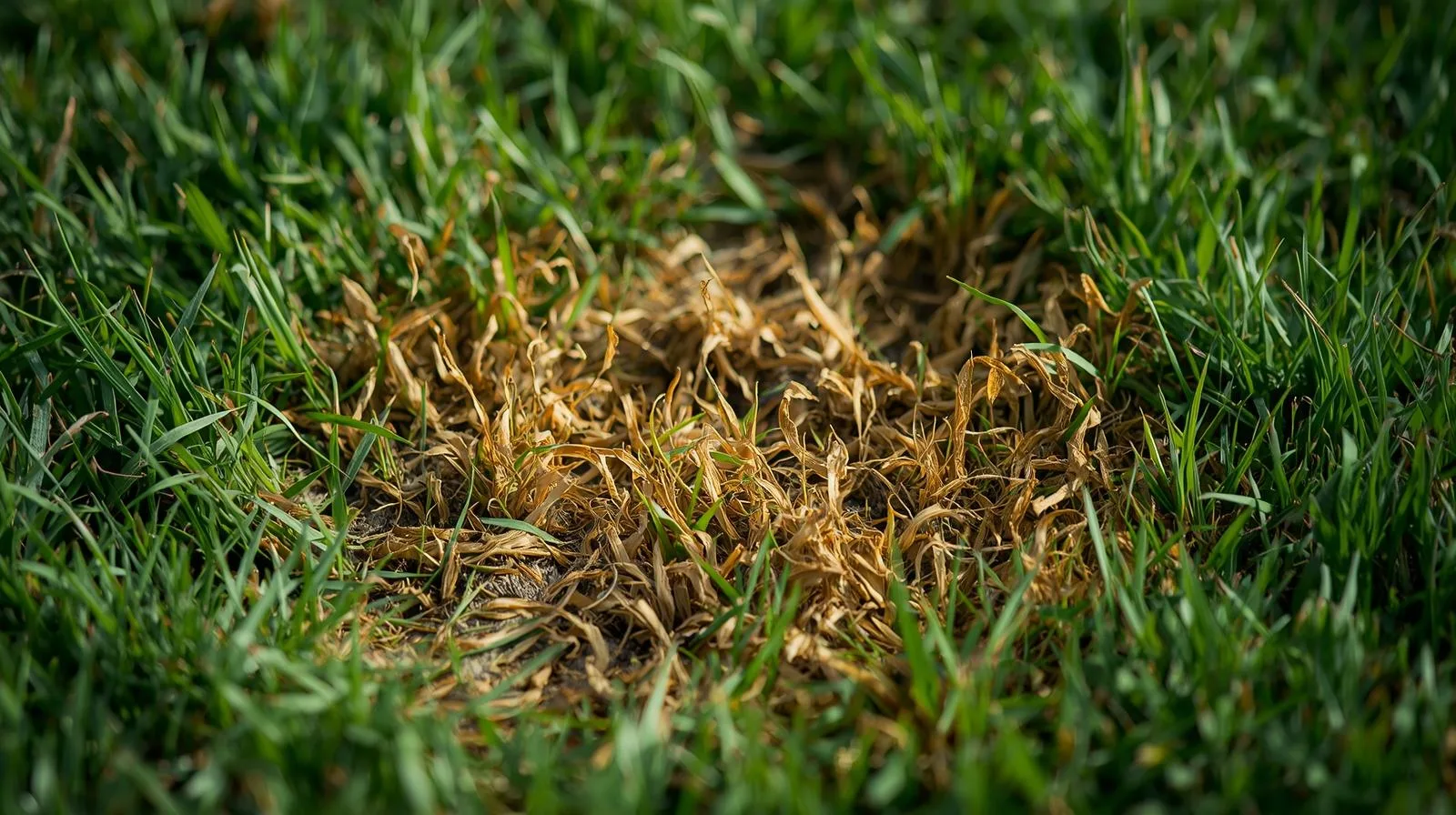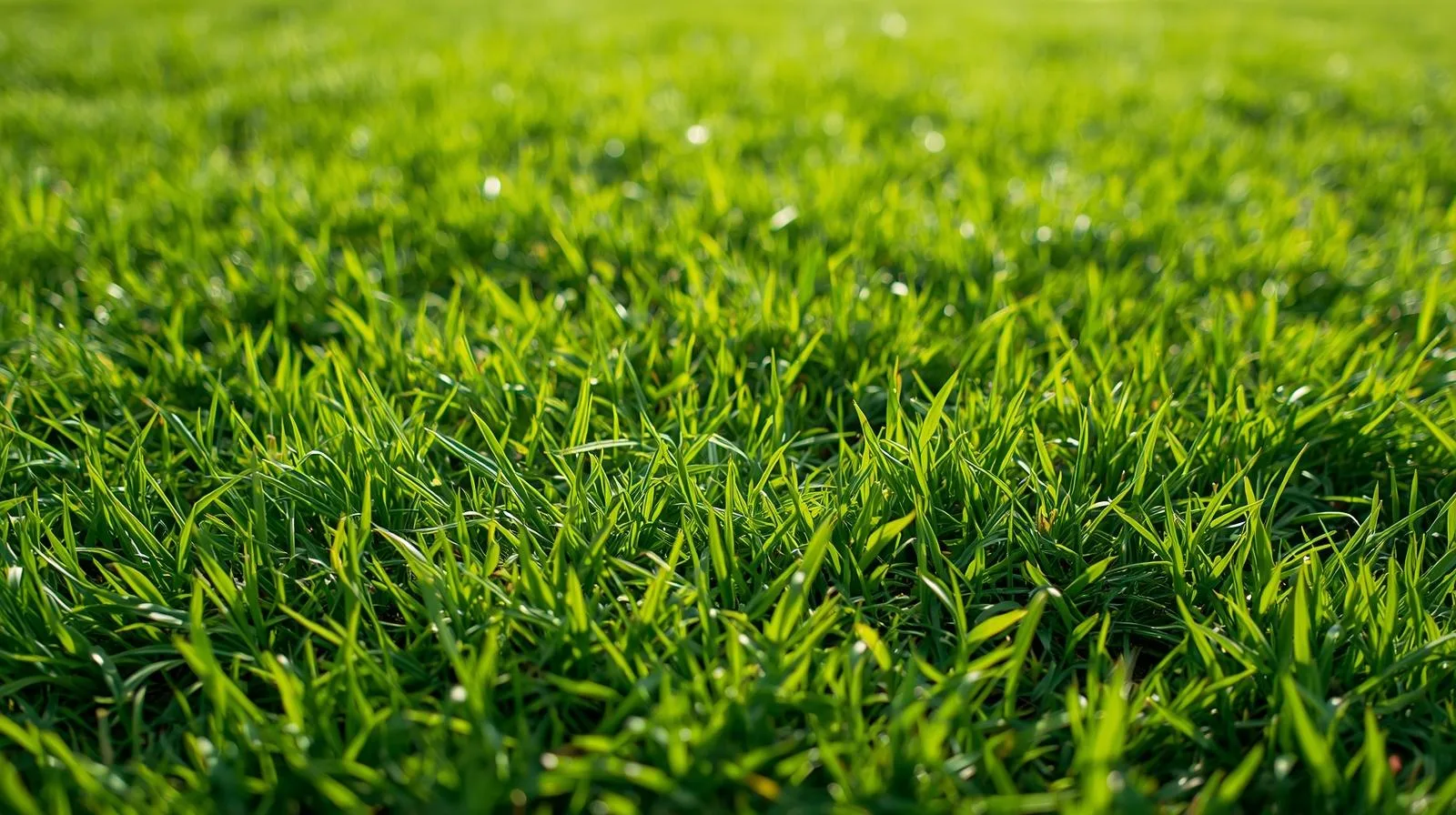
The first sustained warm spell after a cool March can make tall fescue look tired before you expect it. Blades may appear a little blue-green, footprints stay visible longer than they did last week, and the dog path looks shinier than the rest of the yard. That is not always disease. Often it is the simple physics of faster growth, more sun angle, and soil that still behaves like Carolina clay under the surface. Mid April is when many Charlotte area lawns need calm decisions instead of panic products from the big box aisle.
Pine Valley Turf Management supports this stretch with lawn care, lawn fertilization, weed control, and lawn disease control when symptoms truly match fungus rather than drought stress or heat fade on cool-season grass.
Reading color before you buy a bag of anything
Walk the lawn in early morning and again after work. True drought stress often shows evenly on slopes and along pavement first. Chasing spots with random fertilizer can worsen imbalance if a program already applied nutrients this month. If you work with us on lawn fertilization, call with photos before stacking a retail bag on top of a professional plan.
Note whether footprints bounce back by evening. If they do not, leaf water loss may be outpacing root uptake on clay that looks wet on top and dry deeper down. If they do bounce back but color is still off, you may be seeing heat fade or nitrogen timing—not a mystery fungus. Properties in Huntersville and Cornelius with lake breezes still see sharp April heat spikes that outrun root depth on young spring growth.
Mowing tall enough to keep leaf area working
Raise the deck if you dropped it for a tight summer look last year. Tall fescue uses every millimeter of blade to manage sudden heat. Alternate mowing directions weekly when you can so wheels are not wearing the same rut into soft spring soil. Our mowing height protects tall fescue piece is the reference for summer, but April is when the habit gets set.
If clippings clump after a humid night, wait for a drier afternoon and disperse mats rather than leaving shade on young tillers. Professional lawn mowing through Pine Valley Turf Management keeps height consistent when your weekdays are full.
Water deep and rare instead of shallow and daily
Clay soils often look wet on top while roots still dry at four inches. Use a screwdriver test after irrigation: moisture should feel consistent at depth, not only in the first inch. If water always runs off, mention it when you ask about aeration timing for late spring or early summer. Our April irrigation controller check helps you align minutes before daily demand arrives in May.
Several shorter cycles with soak gaps usually beat one long flood on Charlotte clay. If a rainy week follows heat, our May rainy week irrigation skip guide is the next chapter—not an invitation to crank water because the lawn looked stressed for three days.
Shade, trees, and the changing sun map
New leaves on oaks and maples change how many hours turf receives direct light. A strip that baked last August may now behave like partial shade. That shift can look like disease or fertility trouble when it is simply a light budget change. Note bed lines where grass creep blurred edges in our April grass creep and bed edges article; stressed turf at bed margins is often mechanical and light, not brown patch.
When brown patch is actually on the table
Circular patches with a smoky edge deserve a professional look, especially if dew sits for hours and nights stay mild. Our lawn disease control page explains how we confirm fungus versus heat fade. Do not assume every tan area in April is the same brown patch you read about online. Shade patterns, pet traffic, and grill placement mimic circles from a distance.
Weed control and rescue feeding in the right order
Spring weed control windows collide with stressed grass when weather flips hot. If you are mid program, trust the label intervals your technician sets. DIY spot sprays near stressed areas can create yellow halos that look like new disease when they are simply chemical overlap on heat-sensitive tissue.
Bed weeds at margins may need landscape bed weed control separate from turf timing. Throwing lawn mindset at beds risks shrub injury.
Soil conditioning and compaction hints
If the screwdriver stops hard and dry below a crust that stays wet after rain, compaction and layering may be part of the stress story. Soil conditioning and aeration belong in honest conversation when the profile never accepts water evenly. We do not promise one visit erases years of clay physics, but we can map timing with fertility instead of against it.
Preparing for May without skipping the calm week
Mid April decisions echo into host weekends and pool season. Our May host weekend lawn traffic and pool edge water guide assume you protected leaf area and water habits now. Entry shrubs for guest season tie in through our May shrub touch ups article when the front frame matters.
One calm weekend pass
Photograph odd patches from two angles and note whether they follow shade, dog traffic, or downspouts. Run irrigation once on a known schedule and walk for dry pockets under trees. Mow after dew dries and leave the deck a notch higher than your winter habit. Contact Pine Valley Turf Management if stress spreads faster than a week of adjusted water and mowing can explain.
We serve Mecklenburg, Union, Cabarrus, and nearby South Carolina communities including Matthews and Fort Mill with programs tuned to local heat curves—not to national averages that ignore clay and cool-season grass biology.
Mid April rewards patience more than hero doses. Read color, protect leaf area, water for depth on clay, and let professional visits align chemistry with weather instead of fighting it. Tall fescue in the Charlotte region can ride the first heat spikes when the quiet half of lawn care—water and mowing—stays honest.