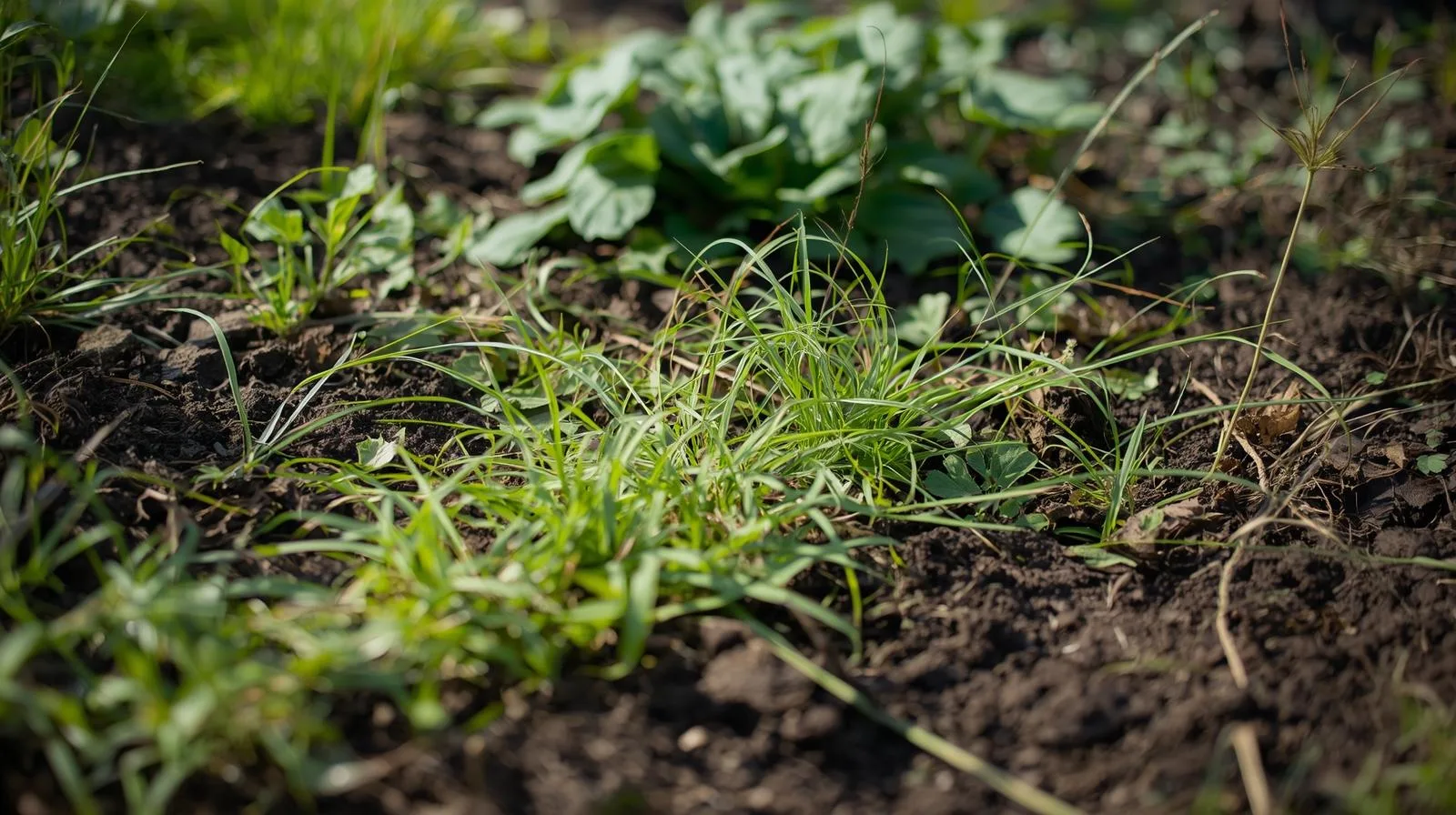
The prettiest spring flowers lose impact when a green wave of grass and warm-season runners march across the mulch line. April moisture and longer days give turf an unfair advantage along curves where the mower deck kisses the bed every week. You do not need a war against your own lawn. You need a crisp edge, honest depth on mulch installation, and a landscape bed weed control plan that stops stolons before they root in the soft middle of the bed.
Pine Valley Turf Management helps Waxhaw and Ballantyne properties stage this work alongside lawn care so turf chemistry and bed chemistry stay in two lanes. Tall fescue in the lawn and ornamental beds along the front walk should not share the same panic product mindset.
Why April blurs the line on Carolina clay
Spring growth accelerates on clay that holds moisture longer than sandier soils. Mower drift, string trimmer habits, and stolons from bermudagrass or zoysia patches in mixed lawns all push the battle line inward. The curve that looked intentional in March can look fuzzy by late April, right when guests start noticing entries in our May shrub touch ups article and when irrigation baselines from our April irrigation controller check start running daily.
Note whether creep follows a straight mower wheel line or organic runners. The fix differs. Mechanical creep needs edging discipline and height control. Runner creep needs selective control timed to species and temperature.
Mechanical edges you can read from the street
Reset the vertical cut between soil and mulch. Grass hates a sudden air gap at the rim; it slows stolons long enough for you to follow with mulch and targeted treatment. If the bed line has wandered for years, consider a modest reshape rather than fighting the same too-tight curve forever. Properties in Charlotte and Weddington often repeat the same pinch point at mailbox corners where wheels never lift.
Pair edging with realistic mowing height on tall fescue. Our mowing height protects tall fescue guide reduces bruising at the rim when decks stay high enough for leaf area.
Mulch depth as a tool, not only decoration
Two to three inches of even mulch moderates temperature swings and makes hand pulling realistic again. Thin mulch lets light hit soil and invites weed seeds that blew in during March wind. Pair refresh with our spring cleanups if winter left debris matted against shrubs. Volcano mulch against trunks still belongs in the same conversation as guest safety at doors, pull back from stems before you refresh color.
Separating bed weeds from lawn weeds mentally
Products and timings differ. Throwing lawn herbicide mindset at beds risks injury to desirable shrubs. Our technicians map targets before treating so landscape bed weed control stays precise. If you also want seasonal color, explore annual flowers after the edge is stable so you are not planting into a churned mess.
Turf programs through weed control and lawn fertilization should not be copied onto beds without label thought. Tell us when beds sit downhill from lawn spray zones so overlap risk stays honest.
Trees, shade, and the moving bed line
Lower branches that now shade a strip that used to bake may shift which grass species wins the line. Note that when you plan shrub and tree pruning so sunlight stays intentional, not accidental. Mid-spring heat from our mid April heat spikes article changes stress at margins where tree roots compete with turf for water on clay.
Irrigation overlap at bed rims
Overspray keeps mulch soggy while turf wedges dry feet away. Fix heads and minutes using the same clay mindset as our May rainy week irrigation skip guide before you blame bed products for poor results. Bed lines that stay wet invite weeds; lines that stay dry crack and let grass in from the lawn side.
Guest-facing cohesion without a full redesign
Porches and walks read cleaner when the first twelve inches of bed look intentional. Echo one mulch tone or one stone color from the mailbox to the door if you want cohesion without a full redesign. When May parties concentrate traffic, our May host weekend lawn traffic piece reminds you that worn turf at bed corners often is compaction and path physics, not always a bed herbicide failure.
Pool properties should read the May pool and lawn edge water guide when coping splash blurs the same margins you are edging now.
Bermudagrass and mixed lawns
When warm-season patches live inside a tall fescue lawn, runners respect no moral boundary at the mulch. Ask about bermudagrass suppression when the species mix is honest part of your property story. Suppression is timing and persistence, not one heroic weekend.
Bundling with programs you already use
Edge first, then mulch, then treat creeping grass on label. Photograph woody plants before any spray window. Ask about bundling with lawn care if the same crew already knows your property in Matthews, Mint Hill, or Fort Mill.
When to request hands-on help
Use contact when curves have wandered beyond DIY time, when shrub roots and grass are intertwined, or when you want bed programs aligned with turf visits. Pine Valley Turf Management serves Mecklenburg, Union, Cabarrus, and nearby South Carolina communities with bed and lawn services that respect clay, species mix, and real calendars, not unrealistic makeover stories.
Clean edges read like care even when bloom is still weeks away. Reclaim the line in April so May guests see intention at the door, irrigation supports the rim instead of flooding it, and tall fescue plus beds each get the chemistry lane they actually need.
Maintaining the edge through summer
One April pass does not last forever on clay. Schedule a mid-summer walk of the same curves after you raise mowing for heat. Touch up the vertical cut where wheels drifted, pull weeds while they are small, and refresh mulch in thin spots before August sun bakes exposed soil. Small maintenance beats another full reclaim project every spring, and keeps landscaping conversations about larger redesigns optional instead of urgent.