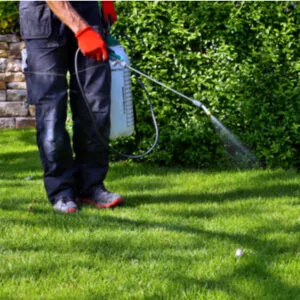
May is when backyards in Charlotte, Fort Mill, Weddington, and nearby communities start hosting real calendars again. Pool pumps run longer, towels land on the same corner of grass every afternoon, and the irrigation clock still thinks April was quiet. Pine Valley Turf Management helps homeowners align lawn care with realistic water habits before thin strips appear along coping, pavers, and the first path from door to deck.
This article is not a do-it-yourself pool chemistry lesson. It is a practical pass that pairs what you see with what we can adjust through lawn fertilization, weed control, aeration, and yard drainage when runoff is part of the story. See also our May rainy week irrigation skip guide when storms stack on top of splash, and with our May host weekend lawn traffic article when parties concentrate feet on the same fescue lanes.
Mapping splash and overspray after real use
Walk the coping line after a busy swim day, not only on paper. Note grass that stays wet past sunset, sand that washed into one low spot, and any sprinkler head throwing through fence pickets into the pool zone. Splash is information. If overspray from heads keeps hitting the same six feet of turf, that strip will look different from the rest of the lawn even when fertilizer is balanced. Straight-line color change along hardscape usually follows water and chemistry at the edge, not random disease in the middle of the yard.
Tall fescue on Carolina clay already holds moisture longer than sandier soils. Adding daily irrigation on top of splash and foot traffic is how edges go mushy while the center still looks fine. Photograph the pattern before you buy another bag from the store.
Separating pool chemistry from turf chemistry mentally
Chlorine drift and routine deck cleaning change surface biology at the edge. Do not chase every yellow blade with more product when a lawn care program already has spring timing built in. Note whether symptoms follow hardscape lines, whether they appear only downwind of the filter return, and whether they worsen after pressure washing. Stacking treatments without context often creates halos that look like new problems when they are overlap on stressed tissue.
If guests are coming soon, coordinate with entry shrub work from our May shrub touch ups piece so the whole arrival path reads calm, not patchwork.
Irrigation minutes that respect clay
Carolina clay accepts water slowly. Several shorter cycles with soak time between them often beat one long flood that sends water across tile and into the street. If you always see sheen on pavement, ask about yard drainage conversations alongside controller tweaks. The mindset in our April irrigation controller check still applies even if you fixed clocks in March: heads tilt, shrubs grow into spray, and sun maps change.
Update smart-controller zones when new pool fences or cabanas shade strips that used to bake. Underwatering the shady half while the sunny half screams for more is a common May frustration at lake and subdivision lots in Cornelius and Davidson.
Relieving edge compaction before guests multiply
The first path from kitchen to grill wears faster than the middle of the lawn. Alternate lawn mowing patterns when you can so tires are not etching the same rut while soil is soft. If the line between bed and turf is blurring, our landscape bed weed control and mulch installation pages describe how we keep plant beds from stealing the narrow band grass needs at the coping.
Aeration may belong in the conversation when edges stay compacted after water adjustments. It is not an instant fix for chlorine burn, but it helps air and water move in profiles beaten by season after season of the same traffic.
Mowing height and clippings at the water line
Tall fescue uses leaf area to ride heat. A slightly higher cut before a crowd weekend reduces bruising on crowns when feet concentrate. If clippings clump after a humid night, wait for a drier afternoon and disperse mats so shaded tillers still see light. Our mowing height protects tall fescue article applies directly to pool margins where wear and shade overlap.
When wear is disease instead of physics
Circular patches with a smoky margin deserve a professional read through lawn disease control, especially if dew lingers and nights stay mild. Straight lines that follow coping usually are not brown patch. Mid-spring heat stress from our mid April heat spikes article can weaken edges before pool season amplifies the look. Separate stories before you treat.
Standing water and mosquitoes
Repeated puddles at the lawn-pool corner belong in the same map as turf stress. Our standing water guide helps when bowls persist after rain. If evenings outside matter, mention mosquito control when you call so expectations stay coordinated with splash and drainage habits—not as a substitute for fixing overspray, but as part of realistic comfort.
Planning professional visits with your guest calendar
Tell us if Saturday lunch always ends at the pool deck. We discuss visit timing relative to parties without pretending we can script weather. If fertilizer or weed control is scheduled, share pool proximity so label intervals and growth push stay realistic on edges that already see chemistry from deck maintenance.
Booking the conversation early
Call or use contact with photos, your town, and a short note about pool proximity. We serve Mecklenburg, Union, Cabarrus, and nearby South Carolina communities with programs tuned to local heat and clay. May rewards calm sequencing more than panic products at the water line.
Host weeks stack splash, feet, and irrigation overlap. Map wet edges after real swim use, fix overspray before you blame fertilizer, mow taller, alternate paths when you can, and reach out when patterns move faster than one week of adjusted water can explain. Pool season and tall fescue can share the same backyard when water habits tell the truth about clay.
A note on expectations after the first warm weekends
The first month of regular swimming rarely produces a perfect margin. You are balancing chemistry at the deck, feet on fescue, and a controller that may still be catching up from April. Give adjustments a full week before you declare failure, and photograph the same coping corners each Sunday so you compare honestly week to week. If color improves when you skip one irrigation day after rain, you have learned something more valuable than any single product promise.