If you notice a spot in your Matthews or Waxhaw yard where water sits for a day or more after rain, that puddle is more than a nuisance. Standing water starves your grass roots of air, encourages rot and disease, and can attract pests. Fixing where and why water pools saves your lawn and your peace of mind.
Pine Valley Turf Management helps homeowners across the Greater Charlotte area with yard drainage and lawn care so your property stays healthy from the ground up.
Why Standing Water Is Hard on Your Lawn
Grass roots need air as much as they need water. When the soil stays soaked, the pores that hold air fill with water instead. Roots cannot breathe, and over time they weaken or die. You see that as thinning grass, yellow or brown patches, or mud where the lawn used to be.
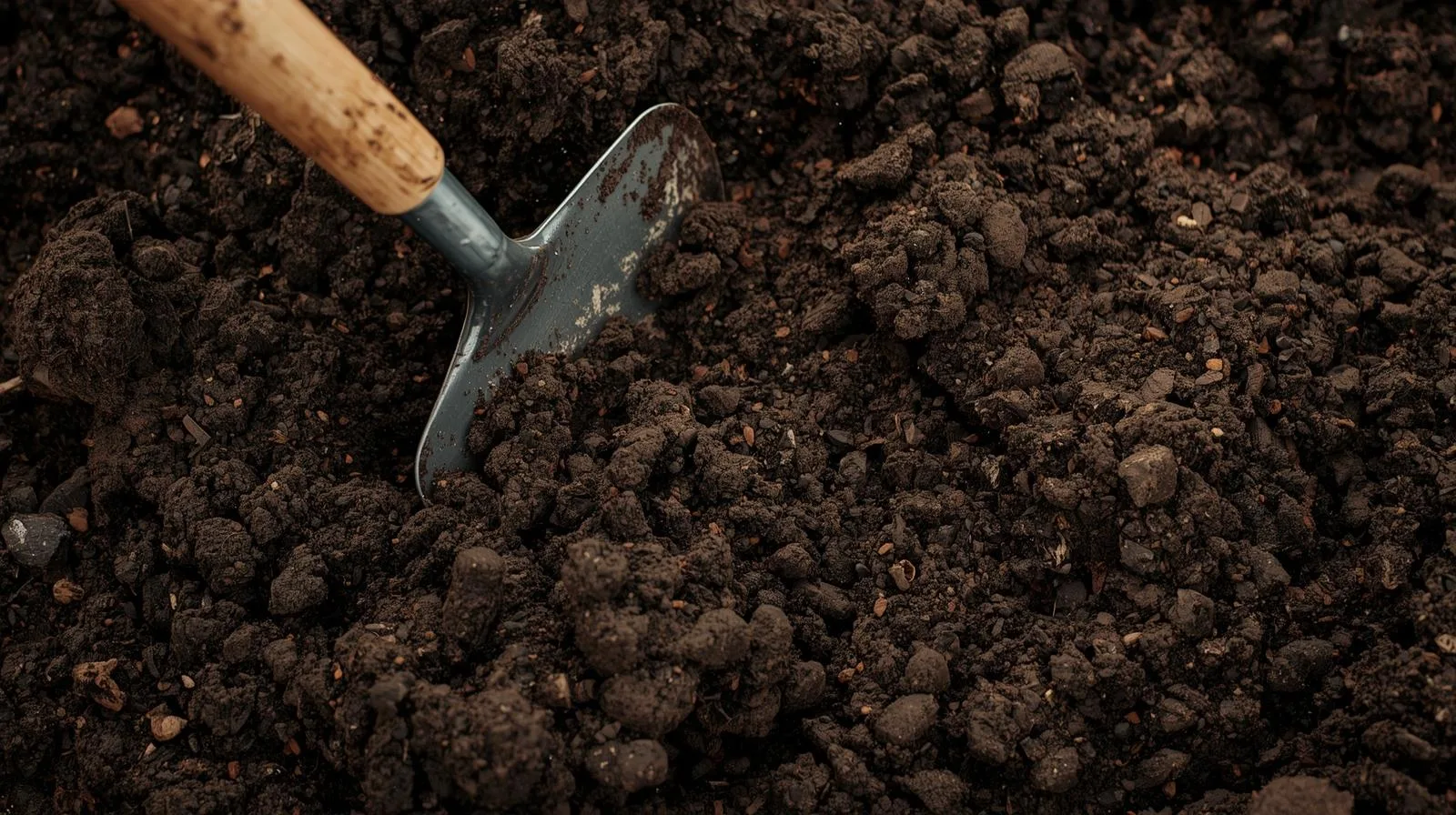
Standing water also creates the wrong conditions for your soil. In neighborhoods from Ballantyne to Concord, our heavy clay holds water longer than sandy soil. When water has nowhere to go, it stays at the surface, and the cycle repeats every time it rains.
What Causes Water to Pool in the First Place
- **Low spots.** The ground may have sunk in one area, or the grade was never corrected when the home was built.
- **Compacted soil.** Years of foot traffic or mowing can pack the ground so tight that water cannot soak in and instead runs to the lowest spot.
- **Thatch.** A thick layer of dead stems and roots at the soil surface can block water from reaching the soil and cause runoff or puddling.
- **Downspouts and hard surfaces.** Rain from the roof or driveway often dumps into one place instead of being spread or directed away.
What You Can Do About It
**Redirect water away from the house and low spots.** Extend downspouts so they empty onto a slope that carries water toward the street or a safe area, not into the lawn. Sometimes a simple splash block or a short run of pipe is enough.
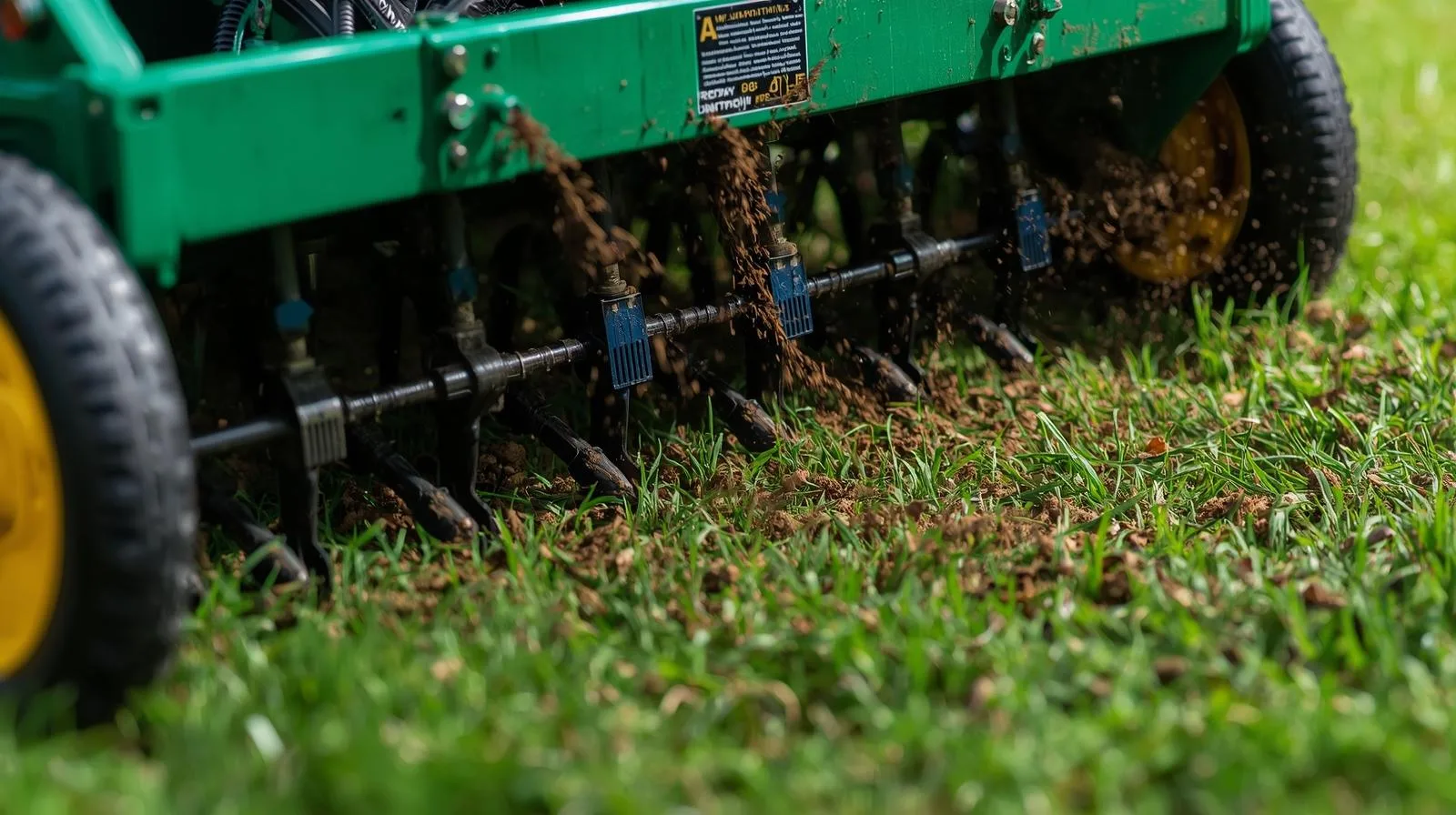
**Improve how water soaks in.** Core aeration opens small channels in the soil so air and water can reach the roots. When combined with better grading or drainage, your lawn can handle normal rain without puddles.
**Fix the grade.** In serious cases, regrading or adding a shallow channel (swale) or a dry creek helps move water to a better outlet. A professional can map where the water goes and design a solution that fits your yard.
**Consider a drainage system.** For yards that stay wet even after aeration and grading, a French drain or similar system can collect water and carry it away. We work with homeowners in Waxhaw, Matthews, and across the Charlotte area to install solutions that last.
Why Act Sooner Rather Than Later
Ignoring wet spots does not fix them. The weak, thin grass in those areas is an open door for weeds and disease. Mosquitoes and other pests also like standing water. Taking steps now protects your investment in your lawn and keeps your yard usable and attractive.
If you are not sure why water is pooling or what option is best for your property, a site visit can answer that. We look at the slope, soil, and how water flows during and after rain, then recommend the right fix.
Ready to tackle standing water on your property? Contact us for a free quote. We serve Charlotte, Huntersville, Mooresville, Fort Mill, and surrounding communities with drainage and full season lawn care.