A soggy corner that kills grass every summer looks like a lawn problem. Often it is a water problem wearing a turf costume. New sod or seed over the same low spot usually repeats the failure once the next heavy rain sits on the roots again.
Pine Valley Turf Management offers yard drainage, new lawn seeding, and ongoing lawn care across Greater Charlotte. The order matters: move or absorb the water first, then rebuild the surface.
Confirm the wet spot is chronic, not a one-week soak
Watch the area after a normal rain and after a long storm. Note how long water stands, whether it comes from a downspout, neighbor grade, driveway runoff, or a buried low bowl in the lawn. Photograph the same corner wet and dry. One flooded afternoon after a tropical remnant is different from a pad that stays soft for days.
Properties in Charlotte, Matthews, and Indian Trail often combine clay fill with tight side yards. Compare the wet spot only to similar grade on your lot, not to a neighbor on better sheet flow.
Trace the water before you buy sod
Walk from the roof edge to the street. Mark downspouts that dump onto lawn, hardscape that sheds toward the house, and beds that hold mulch dams. Our earlier note on storm runoff and standing water at lawn edges covers edge flooding. This article is about refusing to rebuild turf until that path is addressed.
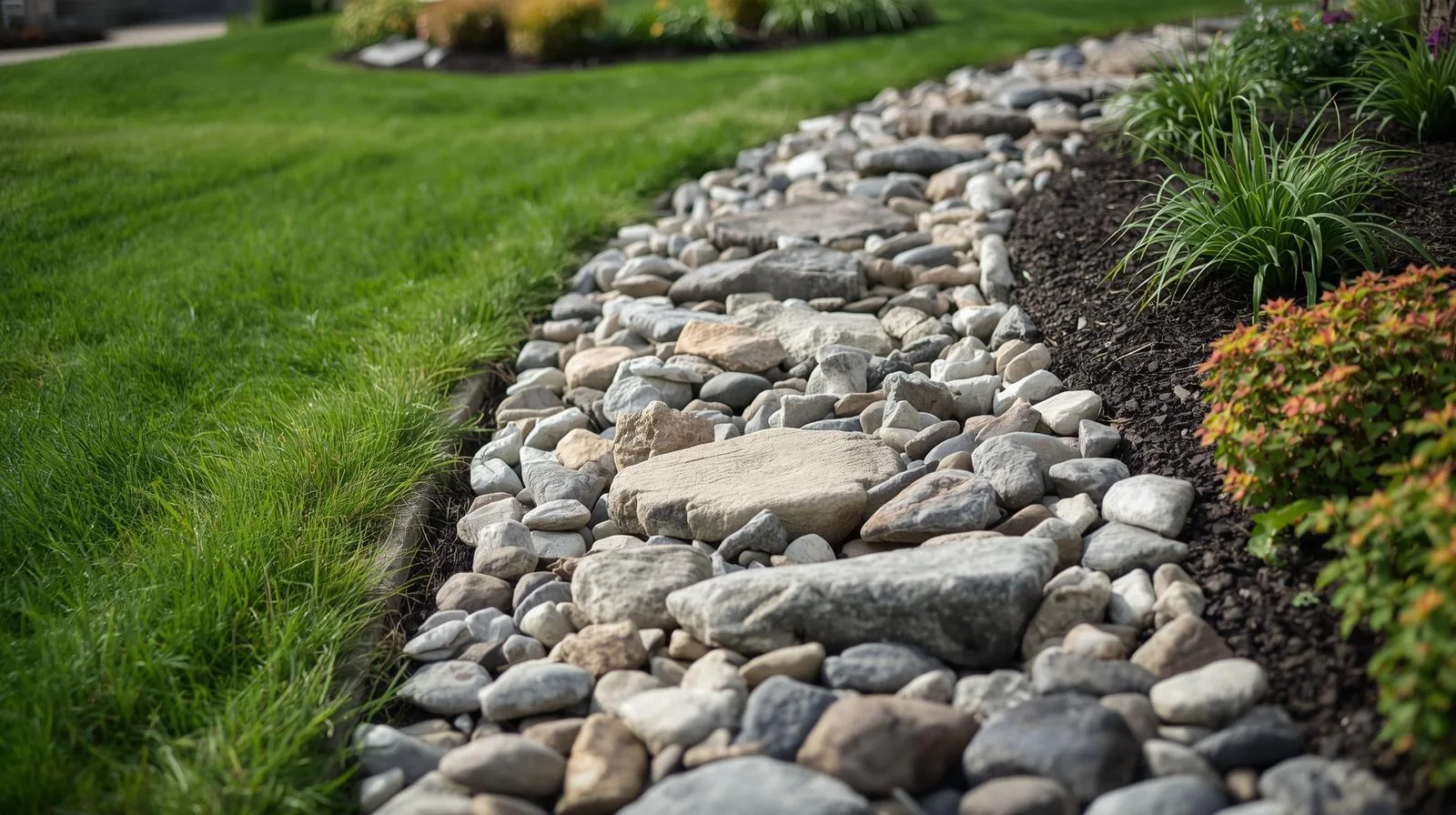
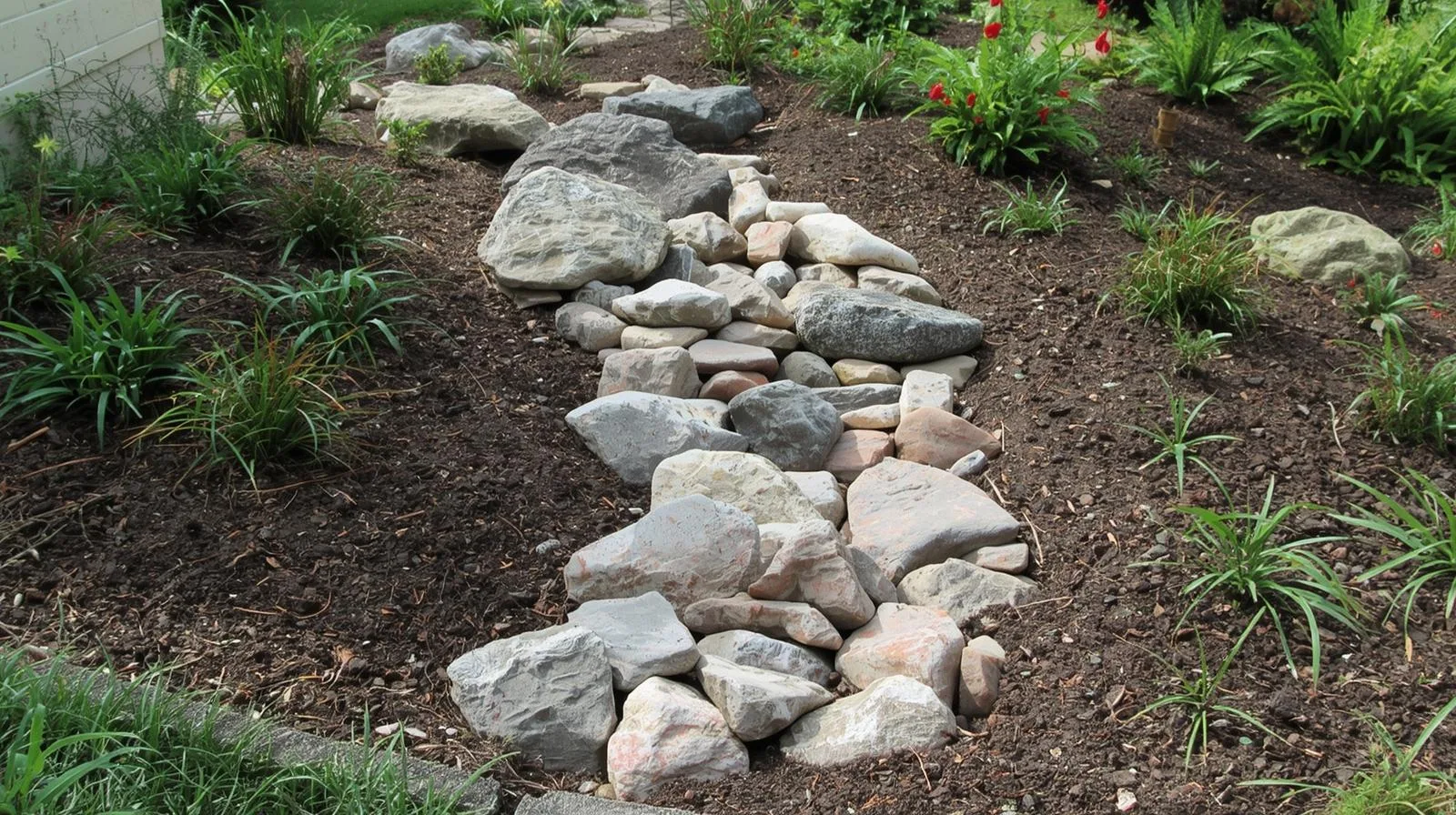
Possible fixes include regrading a swale, extending downspouts, adding a catch basin and pipe, or building a defined drainage path with stone. The right answer depends on volume and destination, not on which product looks nicest in a photo.
Do not use seed as a drainage product
Seed and sod need oxygen at the roots. Chronic saturation thins turf, invites weeds, and makes mower ruts. Aeration can help compaction in some soils, but it will not replace a missing outlet for roof water. If the lawn smells sour or stays spongy underfoot a day after rain, pause the renovation quote.
When disease and drought are hard to tell apart on the rest of the yard, use the brown patch or drought quiz so you do not treat a wet corner like a dry one.
Rebuild only after water has a place to go
Once grade and drainage work are scheduled, plan turf repair as a second phase. That may mean overseeding, sod on repaired soil, or a smaller planting change if the wet strip should become a bed or stone channel instead of lawn.
Keep bed material decisions separate. Pine needles, mulch, and rock belong in planting beds with their own maintenance logic. See our companion post on choosing bed material when the wet area sits beside shrubs rather than open turf.
What to send before a drainage visit
Send wet and dry photos, downspout locations, where water leaves the lot, mower rut photos, and whether the spot has been resodded before. Mention HOA rules about visible drains if that limits options.
Downspouts, neighbors, and where water is allowed to go
Extending a downspout into a neighbor's yard is not a plan. Confirm where water is allowed to discharge and whether a buried line to the street or a dry daylights to a safe area fits the lot. HOA rules sometimes limit visible drains; say that before design so the solution is not a surprise at inspection.
If the wet spot sits beside a bed, decide whether that strip should remain lawn after drainage work. Sometimes a mulched bed or stone channel is more honest than forcing turf to live in a swale. Coordinate with bed material choices so the drainage fix and the surface finish are one project.
Sequencing with irrigation and mowing
After grade changes, irrigation heads may sit too low or spray the new channel. Schedule an irrigation check in the same project window. Mower routes should avoid soft repair zones until roots take. Tell the technician if a prior sod job failed in the same corner so we do not repeat a surface-only fix.
Photos that speed the estimate
Send a wide shot of the wet corner, a shot toward the downspout or hardscape that feeds it, a shot of where water leaves the lot, and a close photo of thin or slimy turf. Add the date of the last heavy rain. If the area was sodded before, include that year if you know it. Those five details prevent a generic "needs drainage" guess.
Local clay and summer storms
Greater Charlotte clay holds water in low corners after heavy afternoon storms. That is why a lawn rebuild timed for a dry week can still fail when August rain returns. Drainage design should assume repeated storms, not a single puddle photo. If the wet corner sits under shade, say so; shade slows drying and changes whether turf is even the right surface after water is moved.
Contact Pine Valley when you want the wet spot diagnosed before another lawn rebuild. Browse the blog for related Charlotte lawn and landscape notes, or start from services if you already know you need drainage and turf as a sequence.