Mid-May around Charlotte, Weddington, and Fort Mill is when afternoons start to feel like summer while irrigation programs still run April settings. Tall fescue—the cool-season workhorse on most Mecklenburg and Union county lots—wants steady moisture and sane mowing height. At the same time, sunny strips along driveways, pool coping, and south-facing banks show heat stress faster than the shaded middle of the yard. Bermudagrass or zoysia patches in full sun may wake up and argue with fescue neighbors about water and nitrogen. None of that means your lawn failed overnight. It means two calendars arrived on the same turf.
Pine Valley Turf Management helps homeowners read combined irrigation and heat stress without overpromising. This article is a guide to controllers, clay soil reality, mowing, and program timing so lawn care visits support what your yard is actually doing—not what a generic national chart assumes for a different soil type.
Heat shows up on edges before it shows up in the middle
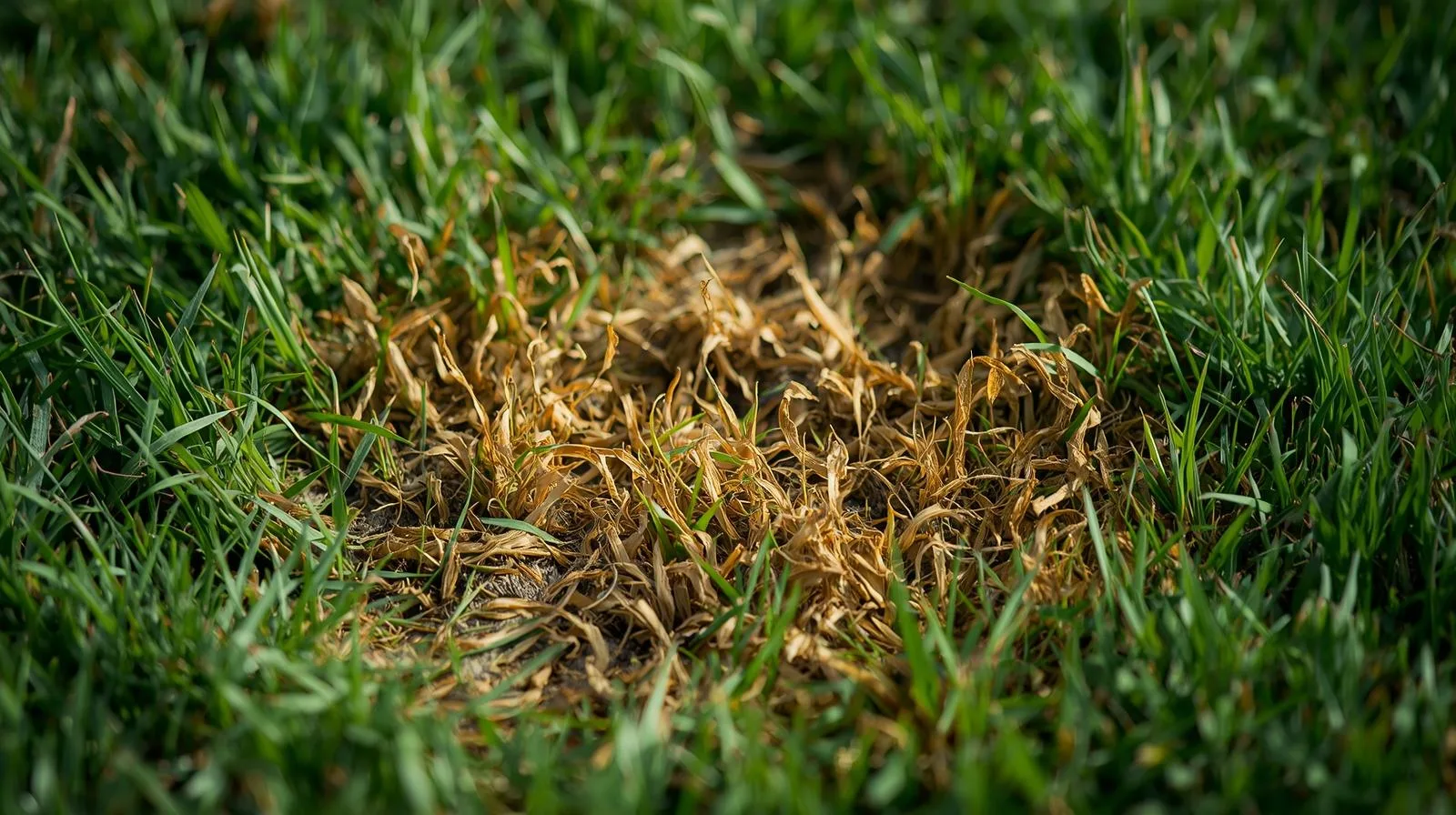
Walk the property at four in the afternoon on a sunny day, not only at breakfast when dew still flatters color. South and west edges along pavement, mailboxes, and retaining walls often olive first. Shaded centers may still look fine, which tempts people to add water everywhere instead of fixing the zone map. Carolina clay holds moisture longer than sandier soils, so the risk is not only drought—it is uneven saturation that keeps some lanes soggy while edges bake.
Note whether footprints stay visible on the hot strip only, whether sprinkler heads miss the hottest six feet, and whether hardscape reflects heat onto grass. Pool splash and overspray add another layer our pool and lawn edge water guide discusses when warm-season traffic concentrates beside coping.
Irrigation minutes written for April rarely fit mid-May afternoons
If your controller still runs the same schedule from early spring, plan an adjustment before you chase color with fertilizer. Several shorter cycles with soak time between them often beat one long flood on clay. Rain sensors and smart controllers help, yet they still need correct sun and shade maps. A zone marked full sun that now sits under new tree growth will underwater one half and overwater another if the profile never changed.
After a rainy week, skipping is not neglect—it is matching supply to what soil can accept. Our rainy week irrigation skip guide pairs with this heat story when radar and temperature both climb in the same seven days. If you have not reset the baseline since storms, read our April irrigation controller check before you stack heat on top of outdated minutes.
Tall fescue leaf area matters when nights stay warm
Raise mowing before you add water to fix olive color. Our mowing height protects tall fescue piece explains why scalping hot, wet soil compacts the profile and bruises crowns. Professional lawn mowing through Pine Valley Turf Management keeps height consistent when travel pulls you away from Monday habits.
Clippings that mat on humid nights shade young tillers. Disperse mats when dry instead of leaving wet blankets on lanes guests will cross—see our host weekend lawn traffic article when calendars stack people on the same strip.
Warm-season patches in the same yard need honest language
Some Charlotte region lawns mix tall fescue with bermudagrass or zoysia in sunny zones. Those grasses do not read heat and water identically. Flooding fescue to green a bermuda strip can invite disease on cool-season turf. Baking bermuda because fescue shade reduced irrigation can thin the warm-season patch you wanted for durability. Tell us where species change so lawn fertilization and weed control timing stay appropriate for your turf.
Our mid April heat and fescue stress article is the earlier chapter; this piece assumes you are now balancing daily warmth with irrigation that must cooperate.
Disease reads versus straight lines from water or traffic
Circular patches with smoky margins after prolonged leaf wetness deserve a professional look through lawn disease control, especially when dew sits for hours and nights stay mild. Straight yellow bands along hardscape, downspouts, or grill lines usually are splash, reflection, and overlap—not brown patch. Photograph from two angles and note whether pattern follows shade, spray, or traffic.
Stacking DIY products because the lawn looked olive for three days often creates more yellowing than a skip day and a higher deck would have. If a fertilization visit is near, mention the hot week before treatment so growth push stays realistic.
Weeds notice thin canopy before you do
Stressed turf opens light at soil level. Opportunistic weeds arrive on warm edges first. Avoid random herbicide reactions on heat-stressed grass. Our weed program matches timing to temperature and growth stage—not panic after the first ninety-degree afternoon.
Bed lines that blur after heat and foot traffic may need landscape bed weed control separate from turf products. Entry shrubs still matter for first impressions; our shrub touch ups near guest entries article pairs when the front frame needs attention in the same host window.
Drainage when water and heat disagree
If a zone stays olive while feet squish elsewhere, skipping irrigation alone may not explain what you see. Repeated bowls after rain may need yard drainage conversation alongside controller tweaks. Properties in Huntersville and Matthews with sloped lots still see clay bowls where water stalls against hardpan.
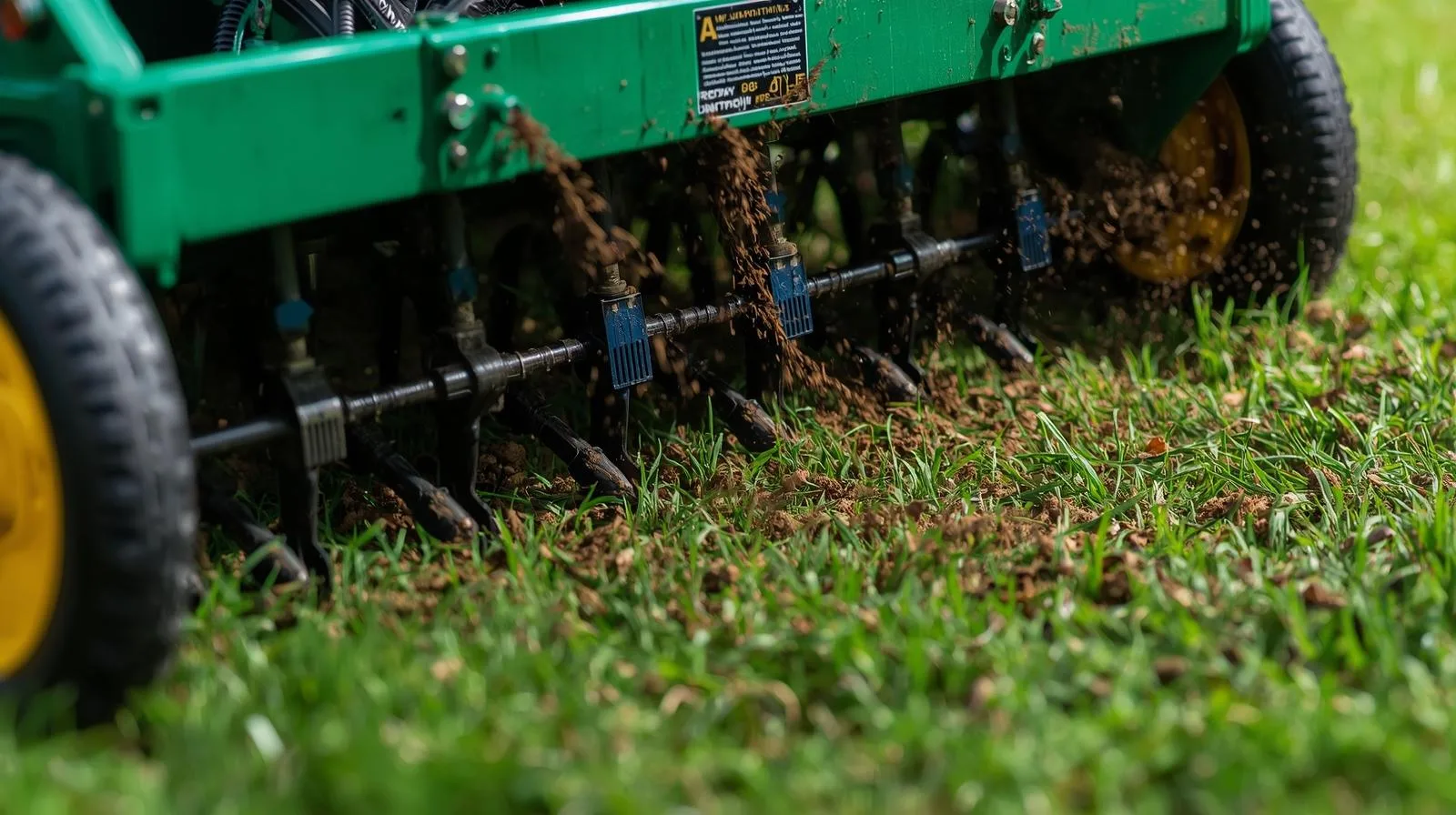
Aeration belongs in the conversation when compaction from winter traffic and spring projects left lanes that never dry at the same rate as the middle of the yard—honest timing, not instant repair.
Evening comfort and realistic expectations
If mosquitoes ruined the last hour outside, mosquito control may be worth discussing for the next gathering as part of an integrated plan with standing water habits. Wet thatch holds different biology than a dry afternoon.
Charlotte warm-season stress is manageable when irrigation, mowing, and professional visits tell one story. The goal is not a magazine lawn that never met clay. The goal is turf that recovers calmly when heat and water show up together.
What to send before we visit
Two photos of the stressed strip, your town, controller brand if known, and which zones run longest on sunny afternoons. Mention recent rain weeks, pool proximity, and any DIY products applied in the last thirty days through contact. Pine Valley Turf Management serves Mecklenburg, Union, Cabarrus, and nearby South Carolina communities with programs tuned to real heat on real clay—not to generic advice that ignores how Charlotte springs actually end and summers actually begin.