North Carolina lawns often show compaction after winter and heavy use. Soil packs tight, water runs off, and fertilizer does not reach roots. Core aeration is the primary fix; overseeding afterward helps turf fill in and use the improved soil profile.
Pine Valley Turf Management provides core aeration and overseeding across the Charlotte region.
Signs your soil is compacted
Push a screwdriver into the lawn. If it stops within an inch or two on dry days, compaction may be limiting roots. Water that runs onto sidewalks despite reasonable run times, thin grass in traffic lanes, and hard soil that will not accept nutrients are other clues.
When to aerate
Aerate when compaction limits growth, not on a random calendar date. For tall fescue in our area, fall is usually the best window. Spring aeration may fit specific repair situations when a professional evaluates the lawn.
What core aeration does
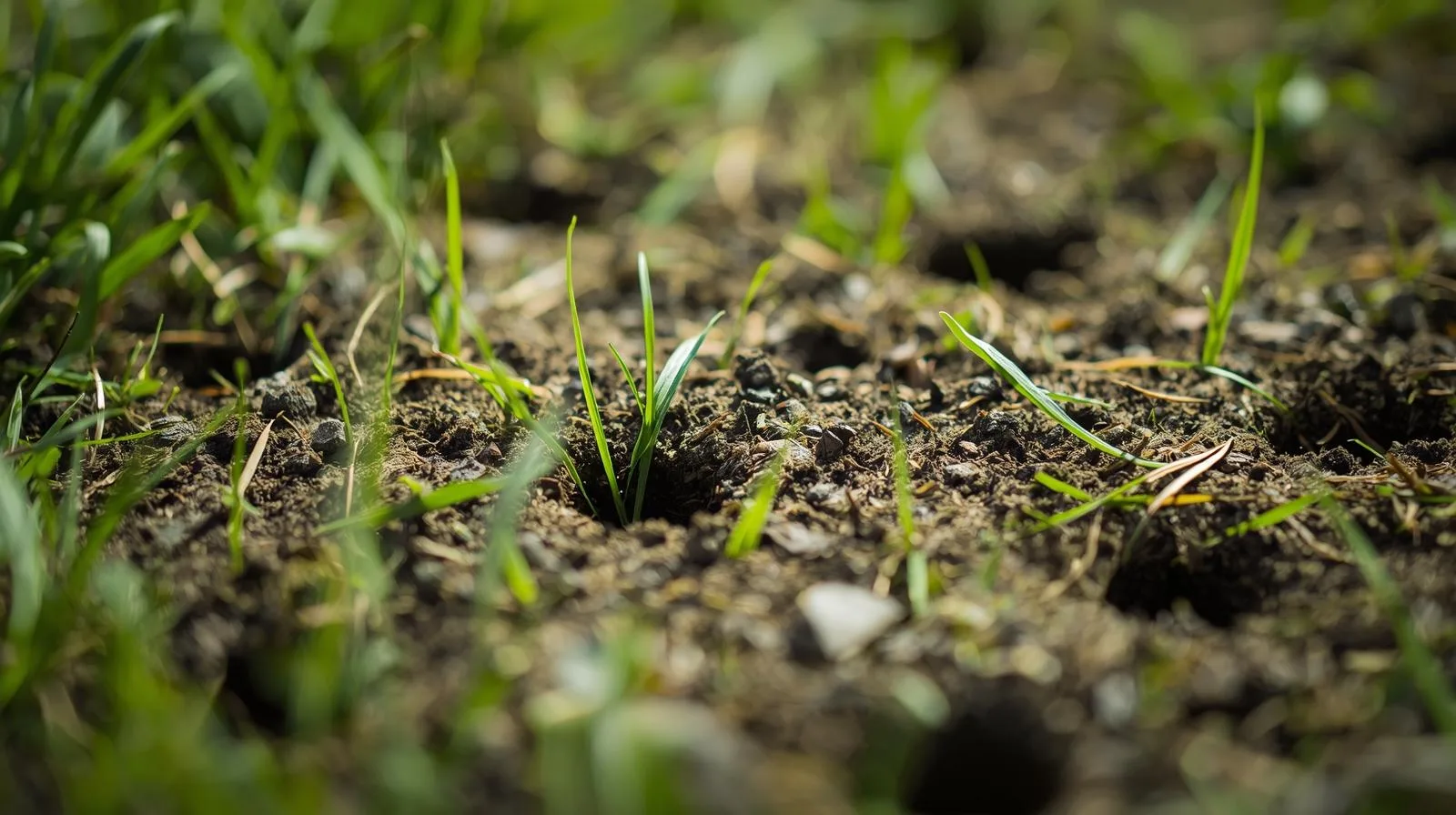
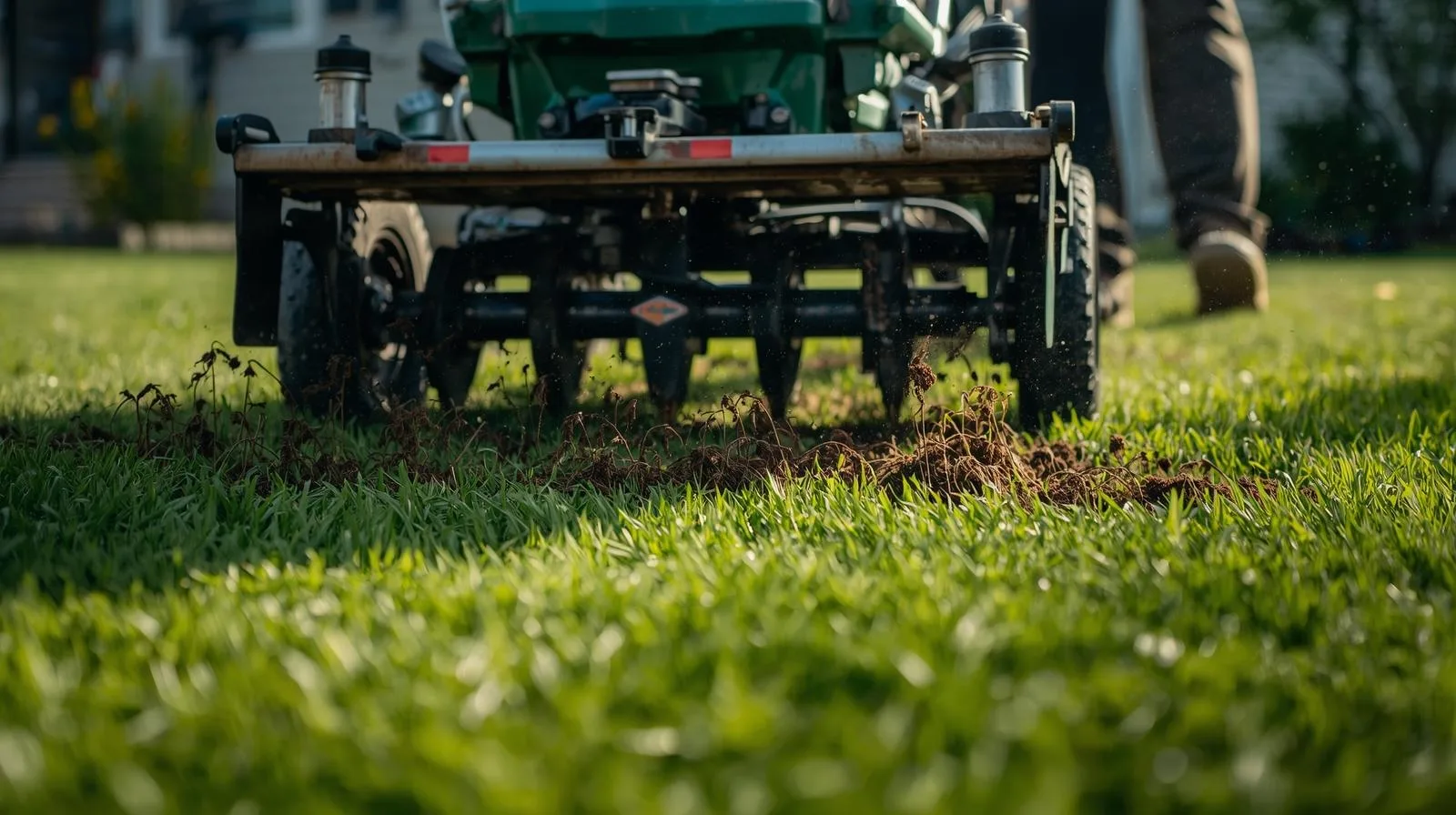
A machine pulls small soil plugs, typically one to three inches deep, leaving holes that let air and water penetrate. The lawn looks messy briefly; that is normal. Roots expand into the opened profile within weeks when watering supports recovery.
Overseeding after aeration
Overseeding spreads quality seed over aerated turf so new grass fills thin areas. Seed contact with soil through aeration holes improves germination. Follow-up watering is critical, new seed dries out quickly on warm spring days.
Aeration as part of lawn care
Aeration works best alongside lawn care that includes fertilization and weed control timed for your grass type.
Read why fall is the best time to aerate and overseed for seasonal timing on tall fescue.
Contact Pine Valley Turf Management at 704-831-8917 for aeration and overseeding services tailored to your lawn.