Landscape beds get judged by color on install day. They succeed or fail by how the surface material behaves a year later. Pine needles, hardwood mulch, and decorative rock each change weed pressure, moisture, plant crowns, and the work your crew repeats every season.
Pine Valley Turf Management installs pine needles, mulch, and decorative rock across Greater Charlotte. Choose the material after you name the plants and the maintenance plan, not before.
Start with the plants and the slope
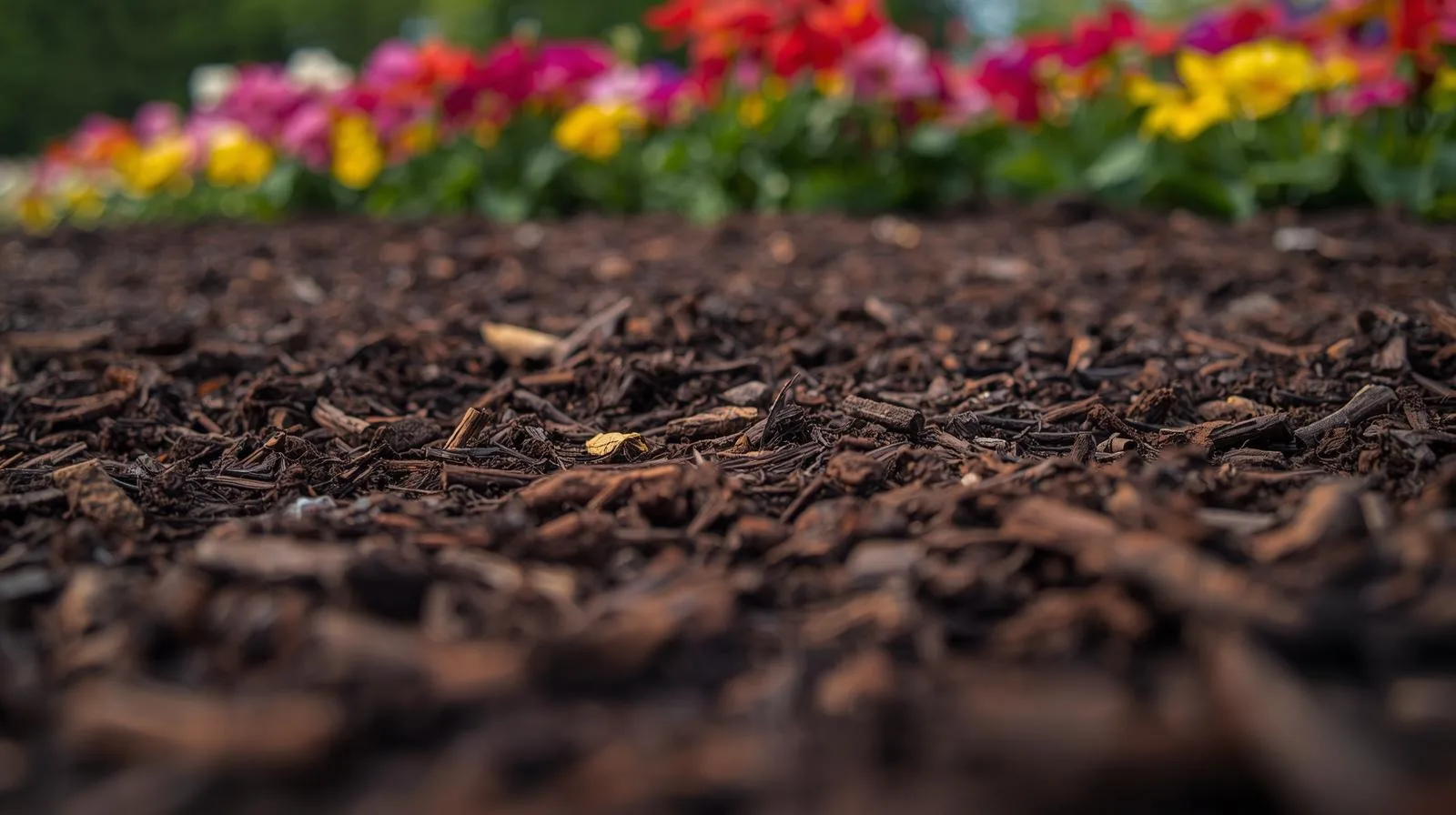
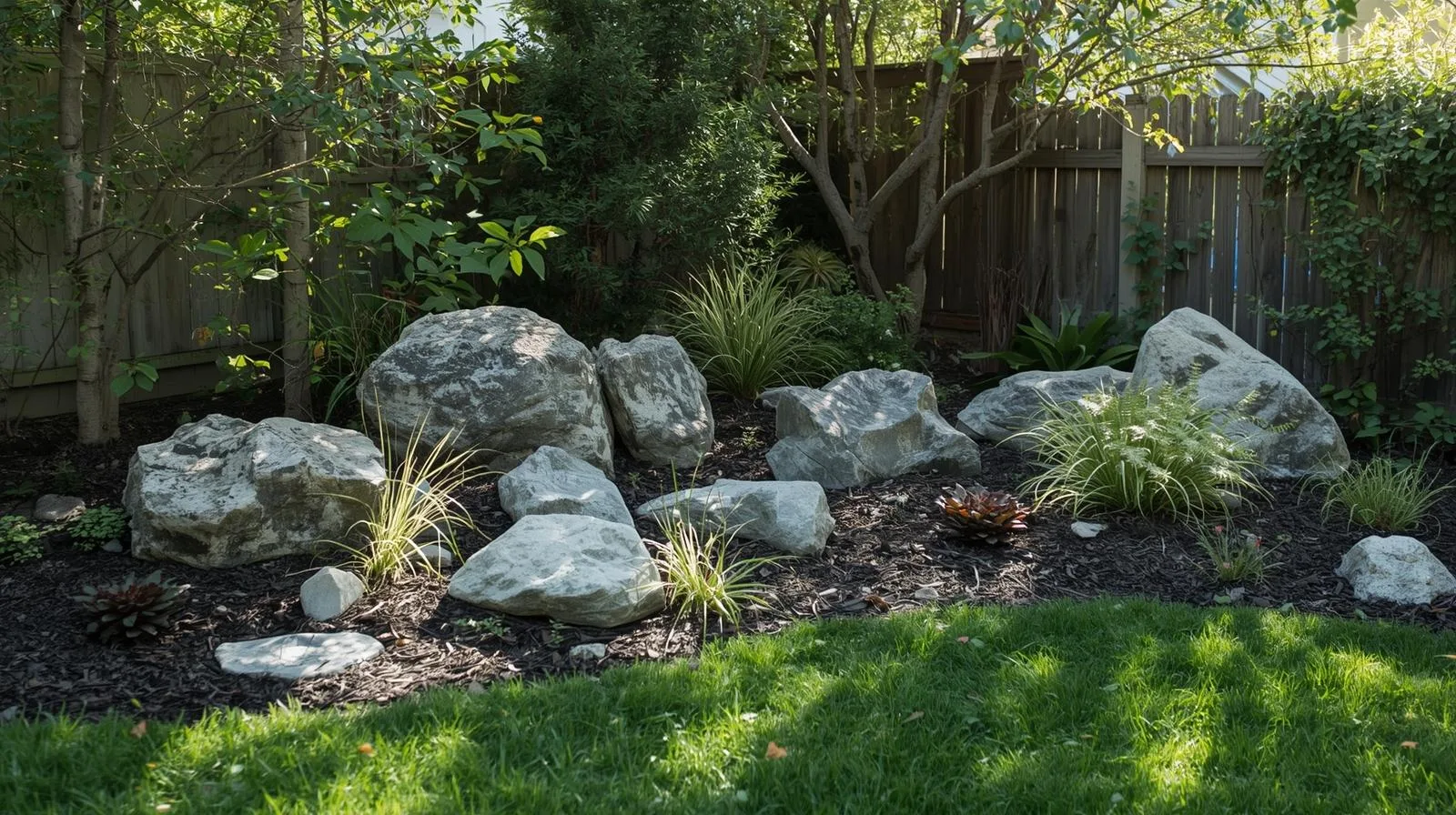
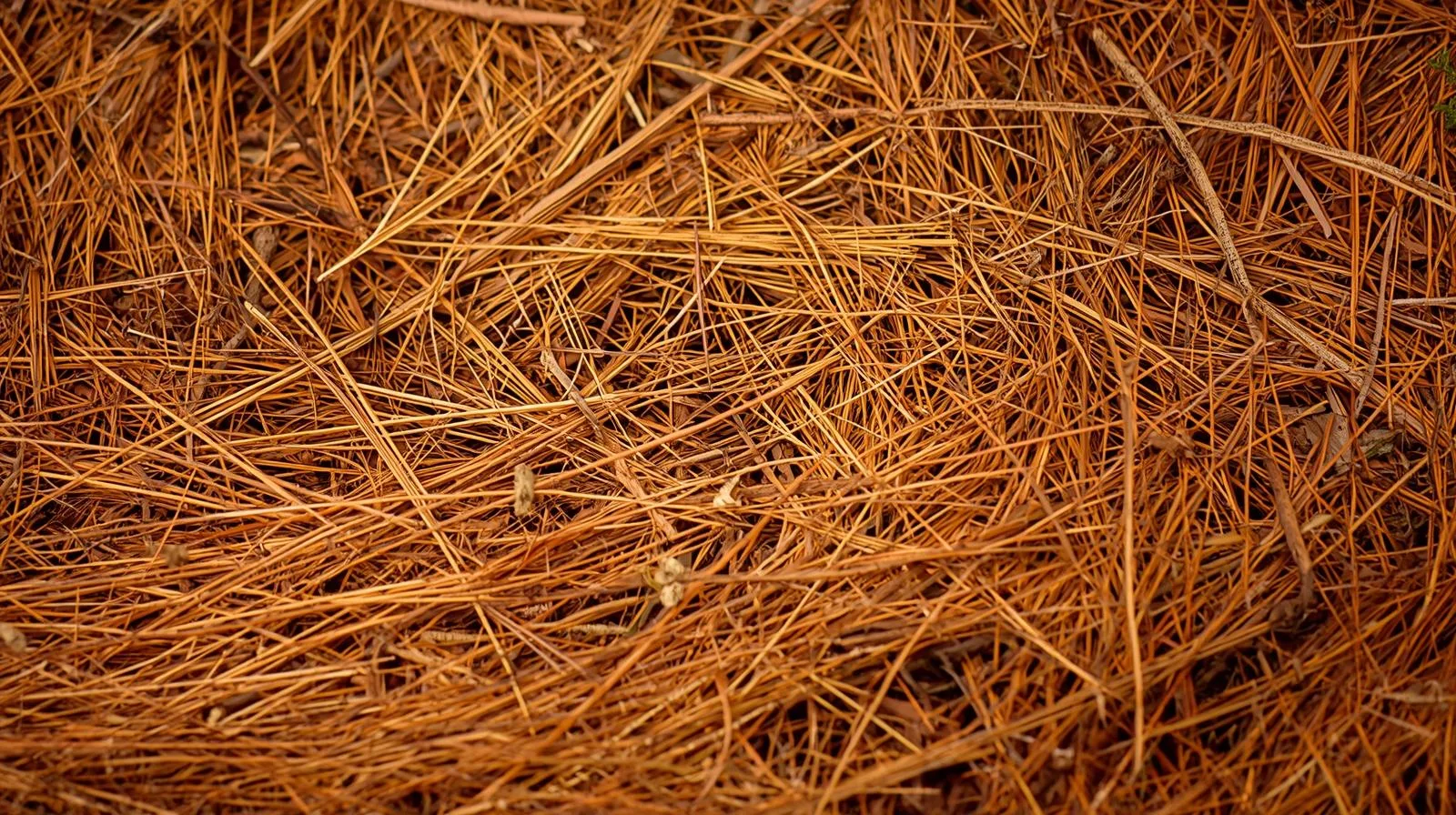
Acid-loving shrubs and informal woodland edges often suit pine needles. Formal flower beds and newly planted shrubs often suit shredded hardwood mulch that stays put and frames color. Steep slopes, splash zones beside downspouts, and beds where owners want fewer yearly top-ups often lean toward rock with a proper fabric and edge.
Look at plant crowns. Piling any material against stems invites rot. Rock that traps heat beside tender perennials is a different risk than needles that settle lightly. Walk the bed after a storm in Weddington or Fort Mill and note where mulch already washes into the lawn.
Mulch is not automatic, and rock is not permanent freedom
Mulch feeds the soil story as it breaks down and needs refreshing. That is normal, not a failure. Rock reduces some top-dressing but collects leaves, dirt, and weeds in the gaps if edges and fabric are weak. Pine needles look natural under pines and camellias, yet they move in wind and need replenishing on open corners.
Landscape bed weed control still matters with every surface. Material choice changes the weed pattern; it does not erase weeds forever. Our article on weeds in the lawn versus weeds in the bed explains why those programs stay separate.
Match material to how the property is actually kept
A rental or travel-heavy household may want fewer yearly mulch visits and clearer edges. A garden-focused owner may prefer mulch or needles that support planting changes each spring. Annual color beds under annual flowers often need a surface that is easy to refresh when plants turn over.
If the bed stays wet because grade is wrong, fix water before you decorate the problem. Yard drainage and our post on fixing drainage before rebuilding wet lawn both apply when the bed and lawn share a low corner.
Installation details that decide whether it looks intentional
Clean edges, correct depth, fabric only where it belongs, and irrigation heads pulled above the new surface all matter. Buried heads under fresh mulch create dry rings that get blamed on plants. Rock without a defined border migrates into turf and becomes a mower hazard.
Ask for a simple bed map: material by bed, depth, edging type, and whether full-service maintenance will blow, top up, or hand-weed on a schedule.
What to decide before the crew arrives
List plants you want to keep, beds you want to simplify, slope or washout problems, pet paths, and if you want a soft look or a cleaner hardscape look. Photos from each side of the house help more than a single front-yard shot.
Cost over three years, not one weekend
Hardwood mulch looks cheaper on day one and then needs refresh cycles. Rock costs more up front and then needs leaf cleanup and edge maintenance. Pine needles sit in between for many Charlotte woodland-style beds. Ask for a simple three-year maintenance sketch so the pretty install is not a budget trap.
Edges, fabric, and irrigation heads
Clean bed edges keep material out of turf and make weed control faster. Fabric belongs only where the design calls for it; poor fabric installs create weeds in seams and make later planting harder. Pull irrigation heads above the finished surface and confirm coverage after install so dry rings are not blamed on the plants.
If beds and lawn weeds are both loud, keep programs separate. Bed material choice will not replace lawn weed control, and lawn spray will not replace bed maintenance.
When mixed materials on one property make sense
Front beds facing the street may want dark mulch for a crisp look. Side woodland edges may want pine needles. A utility corner by the AC may want rock that will not blow into the condenser. Mixed materials are fine when each bed has a reason. They fail when every leftover bag gets dumped wherever it fits without an edge plan.
Ask for a sample corner when you are undecided
If two materials could work, install a small sample corner for a few weeks when scheduling allows, or review nearby properties with similar plants. Looking at year-old beds teaches more than looking at fresh install photos. Ask what the crew expects to do each visit: blow, top up, hand pull, or edge.
Contact Pine Valley to choose pine needles, mulch, or rock by planting and maintenance, then browse the blog or landscaping services for related bed work.