Sudden clipping on sunny bermuda and zoysia aprons can arrive faster than most homeowners expect. A strip that looked acceptable at breakfast may show ragged crowns by dusk when surface feeders scout thin tissue along driveways, pool coping, and mailbox islands. That pattern is not always armyworm. It is always worth a calm read before you change irrigation for the entire yard or throw granular products at tall fescue neighbors that still look fine.
Pine Valley Turf Management separates insect pressure from water physics and traffic wear through lawn insect control, honest lawn care, and species aware conversations on mixed Carolina lots. This article is about armyworm scouts and warm season edges, not generic national charts written for a single grass type.
Scouts show up on open sun before they show up in shade
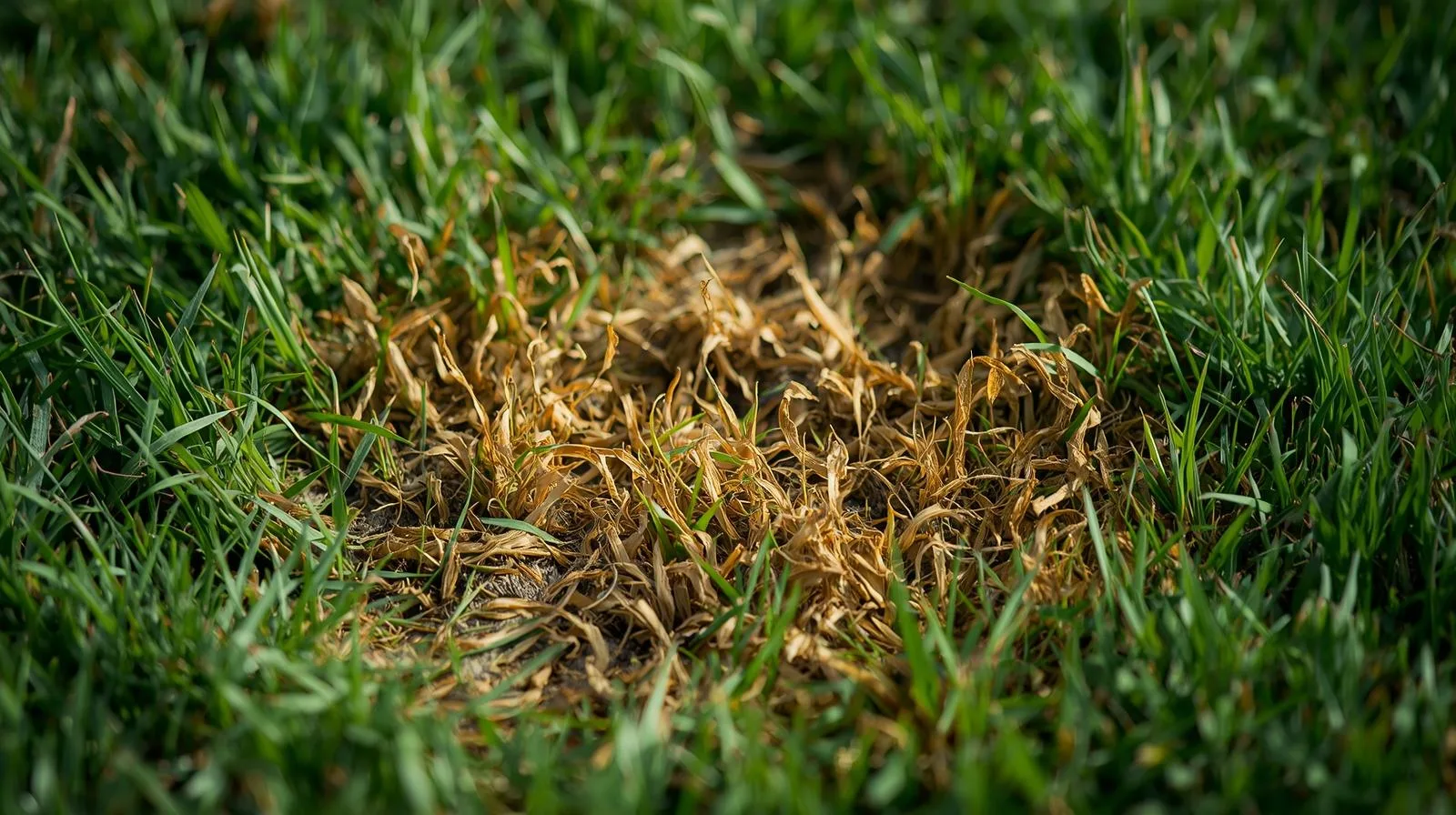
Walk the hottest bermuda or zoysia strip at dusk on a warm day after dry weather. Look for grass blades clipped at crown level, small green frass pellets on pavement, and birds concentrated on the same apron. Photograph the border next to concrete and next to healthy grass. If damage follows only splash lines, think water first. If it blooms across open sun, think surface feeders sooner.
Properties in Waxhaw, Weddington, and Fort Mill with pool aprons and south facing banks see this story early every heat season. Mention recent mowing height and any DIY products applied in the last thirty days before we visit.
Mixed lawns need honest species language
Many Charlotte region yards run tall fescue in shade and bermuda in sun. Treating the whole property like one diagnosis creates expensive mistakes. Flooding fescue to fix a clipped bermuda apron invites disease on cool season turf. Ignoring bermuda because shaded fescue still looks fine lets scouts spread across the sunny strip guests actually see.
Tell us where species change so lawn fertilization and weed control stay appropriate for your turf. Our chinch and irrigation overlap article helps when yellowing could be insects or water on the same apron.
Irrigation overlap can mimic clipping stress
Clay holds water. Overlapping irrigation on sunny strips can yellow warm season turf from saturated roots while you blame worms. Feel soil six inches from the stressed edge after a scheduled cycle. Persistent squish and footprints that stay hours after irrigation point to overlap, not always insects.
Pair controller tweaks with our heat before irrigation catches up story when afternoons outran your clock. Several shorter cycles with soak time often beat one long flood on Charlotte clay.
Traffic and mowing still matter on warm season crowns
Scalping sunny bermuda before a host weekend concentrates stress where scouts already prefer thin tissue. Professional lawn mowing keeps warm season height sane when travel disrupts your rhythm. Our school wind down lawn traffic article pairs when guests cross the sunny apron between house and pool on mixed yards.
Grubs and chinch belong in different sentences
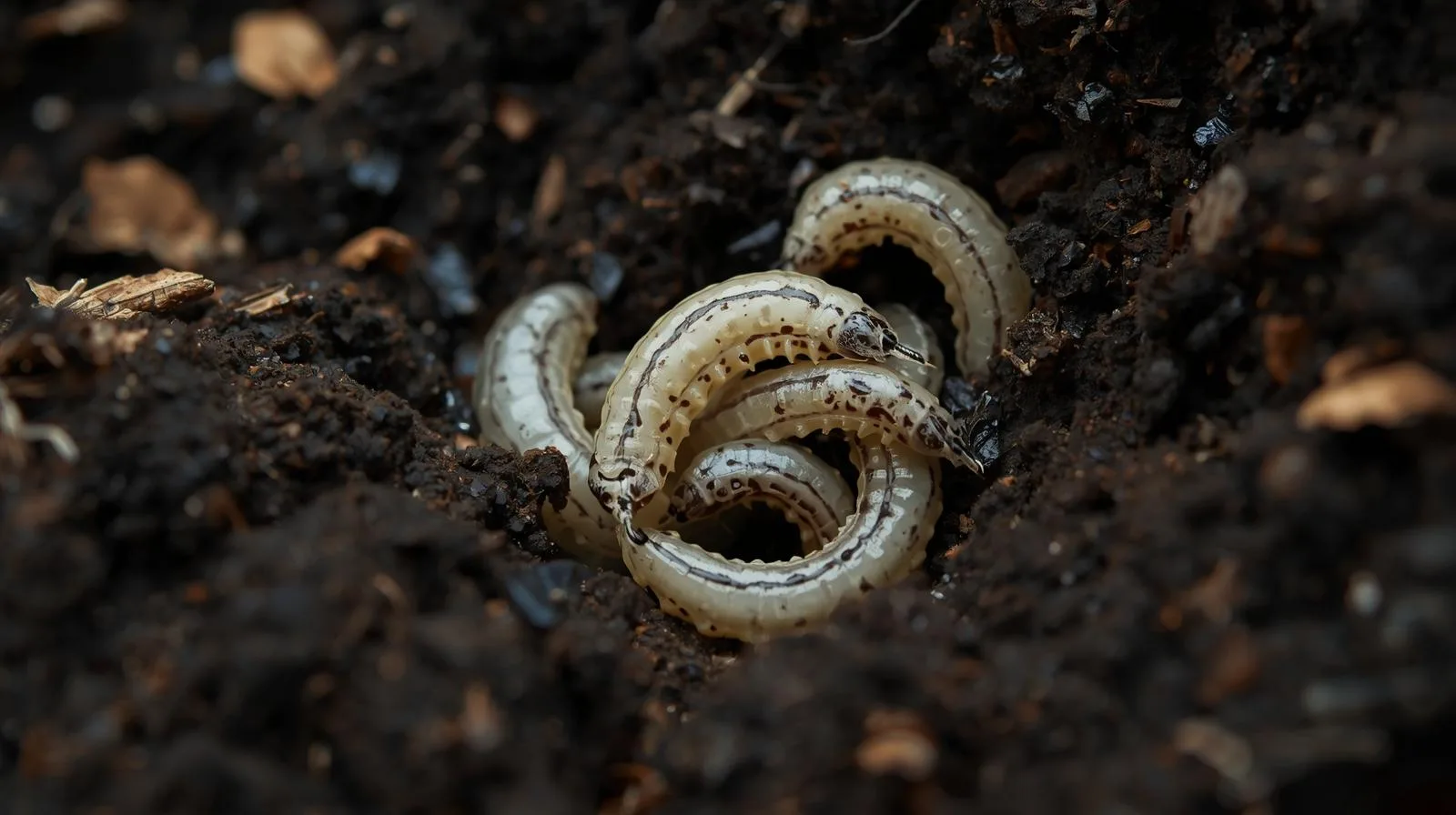
Not every summer insect story is armyworm. Grub thresholds, chinch injury, and sod webworm activity belong in separate conversations with soil history and prior damage. Grub control belongs in the call when turf pulls up like carpet. See our grub defense piece when roots look sheared, not only surface crowns.
Disease reads versus straight line physics
Circular patches with smoky margins after prolonged leaf wetness deserve a professional look through lawn disease control, especially when dew sits for hours. Straight clipped bands along hardscape usually are insects or traffic, not brown patch. Photograph from two angles and note whether pattern follows shade, spray, or feet.
Evening comfort on aprons you actually use
If mosquitoes end parties on the same bermuda strip you are diagnosing, mosquito control may be worth discussing as part of an integrated plan, not as a substitute for reading turf. Wet thatch holds different biology than a dry afternoon scout walk.
Drainage when insects and water both fail
If the same bowl stays wet after every storm and thins every sunny week, yard drainage may join insect control on the clear picture. Aeration timing on compacted aprons can help roots breathe once water movement is realistic.
Practical checklist before you call
Photograph sunny damage at dusk and the next morning. Note species on the apron. List irrigation cycles on that zone for the last week. Mention traffic, pool splash, and any products applied this month. Compare fescue neighbors before you treat the whole yard.
Armyworm scouts on warm season edges are manageable when you photograph patterns, adjust water calmly, and let professional visits match species and temperature. The goal is a sunny apron that recovers without repeating the same ragged story every heat season.
What to send through contact
Two photos of clipped tissue, your town, and whether irrigation ran in the last forty eight hours. Note recent rain and guest traffic expected on the apron through contact. Pine Valley Turf Management serves Indian Trail, Monroe, and the greater Charlotte region with programs built for Carolina warm season reality.
When to escalate from scouting to professional treatment
Escalate when clipping spreads across open sun faster than traffic wear explains, when frass appears on pavement beside the apron, or when birds concentrate on the same strip several evenings in a row. Photograph those signs before disturbance so visits start with evidence instead of memory.
Do not escalate solely because color looked olive for one hot afternoon. Heat fade and irrigation overlap still belong in the conversation first when footprints stay visible on pavement facing strips but crowns recover overnight in shade.
Pair insect reads with host calendar reality
Guest weekends and sports traffic continue on the same aprons scouts target. Raising mowing height and fixing overlap may be required alongside insect control so recovery is not undone the same weekend treatment begins. Our summer lawn stress priority quiz helps when insects, water, and program timing all feel urgent at once.