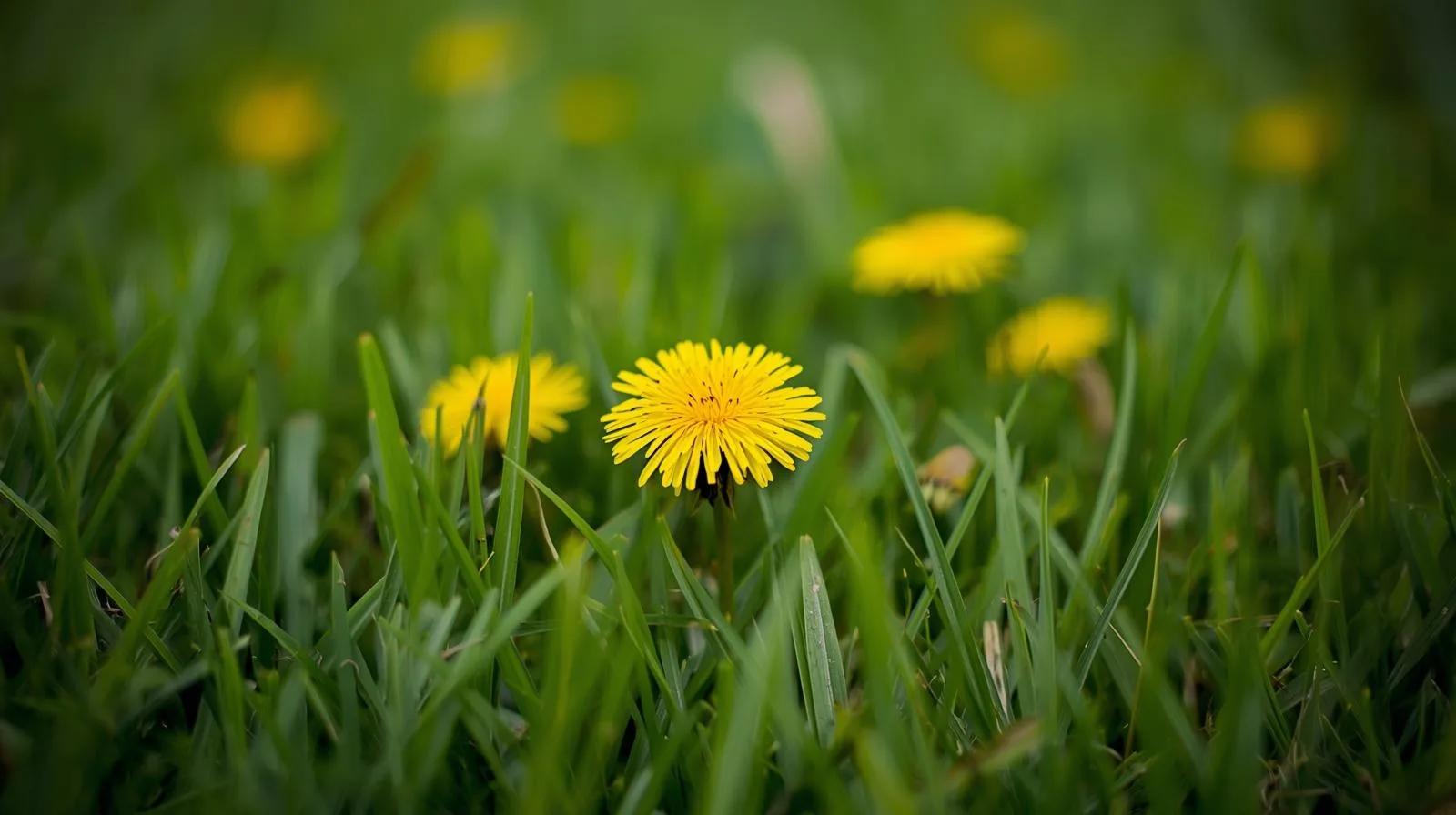
Chickweed and henbit appear in footprints and mower wheel lines when tall fescue density drops in fall. Winter annual weeds on thin Piedmont turf are a canopy problem first and a spray decision second across Greater Charlotte today. October germination finishes the story summer stress began, especially beside compacted clay that never recovered canopy height. Density plans should name traffic, compaction, and irrigation before herbicide stacks on the same calendar. Label photos by date so spring decisions reference fall reality. Record which species appeared first when several weeds share the same thin strip on Piedmont clay.
Why thin turf welcomes winter annuals
Chickweed, henbit, and annual bluegrass need light at the soil surface when nights cool in October. Tall fescue that thinned from summer stress or compaction leaves those openings on Piedmont clay.
Mower ruts and pet paths stay lower than surrounding turf, which becomes a seed row for winter annuals. The weeds are reporting density problems, not only chemistry gaps.
Preemergence timing helps when labeled for the species present, but it cannot replace canopy recovery on bare clay.
Separating weed flush from disease aftermath
Brown patch recovery zones and grub peel-backs often germinate winter annuals first because soil is exposed and moist. Treat the weed as a secondary signal while primary injury heals.
[Lawn disease control](/services/lawn-disease-control/) history matters when choosing postemergence options on young seedlings from fall overseeding.
Photograph weed density weekly in thin strips to see whether the flush is expanding or stabilizing as fescue tillers return.
Overseeding without fixing voids
[Overseeding](/services/overseeding/) on compacted thin turf can produce short-term green spears that winter annuals outcompete by December. Mechanical relief belongs beside seed on Piedmont lots.
Seed that never touches open soil because thatch is matted on clay will not build density before henbit carpets the same zone.
Set realistic timelines: two seasons of recovery are normal on stressed fescue, not one weekend bag of seed.
Selective control in mixed fall lawns
[Weed control](/services/weed-control/) products vary in seedling safety and temperature windows. Application during early establishment can stall desirable germination on irrigated clay.
Spot treatment on isolated mats beside walks may suffice when open centers are already rebounding. Blanket sprays on entire thin lawns risk delaying recovery.
Hand-pulling is practical on new construction scars before they set seed in late fall.
Fertility and pH that support density
Modest fall [lawn fertilization](/services/lawn-fertilization/) supports tillering when soil pH and moisture are stable. Giant nitrogen pushes on thin turf invite disease on humid Piedmont nights.
Retest soil when moss and winter annuals share the same bed edge; pH drift may limit nutrient uptake even when weeds are obvious.
Irrigation reduction as growth slows prevents soft fescue that winter annuals lodge against on clay.
Planning spring from a thin fall carpet
Document weed species now so preemergence choices next August align with what actually appeared. Guessing from memory after winter dormancy wastes money.
Schedule [contact](/contact/) with photos of thin areas and intended overseeding dates. Pine Valley Turf Management treats winter annual weeds on Charlotte fescue as a density plan, not a bottle count.
Winter annual weeds in thin turf decline when canopy, compaction, and moisture stories improve together on Piedmont clay.
Cool nights and open soil in October
First cool snaps germinate winter annuals faster than fescue recovers from summer injury. The weed flush looks sudden even when density weakened gradually across August.
Leaf drop from mature oaks adds moisture and shade on thin centers while margins still receive afternoon sun. Weed species differ under those two canopies on the same Matthews lot.
Holiday guest traffic across thin zones presses seed into clay and helps chickweed anchor. Temporary plywood paths cost less than spring renovation when events stack on fragile turf.
Track weed species by name in notes so August preemergence choices six months later target reality, not memory.
Thin centers beside downspouts often germinate bittercress before chickweed because splash keeps seed beds moist nightly. Fix dispersion before herbicide when water drives the flush.
If overseeding is planned, list every preemergence and postemergence product under consideration on the same sheet. Mixing timelines on Piedmont clay stalls fescue and rewards winter annuals together.
* **Disclaimer:** This article is for general informational purposes only. It is not professional advice, a quote, or a service agreement. Conditions at your home or property may differ; contact a qualified professional for an on-site evaluation before making repair, safety, or spending decisions.*