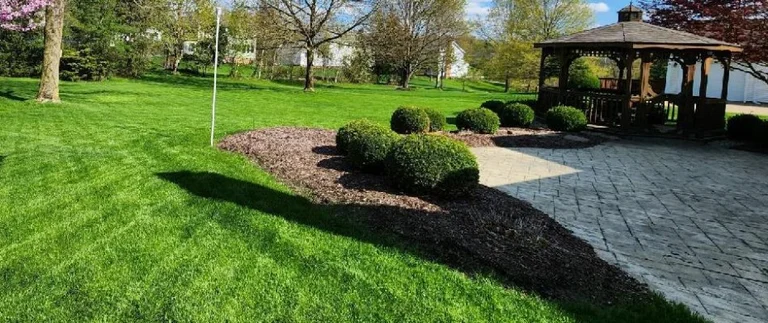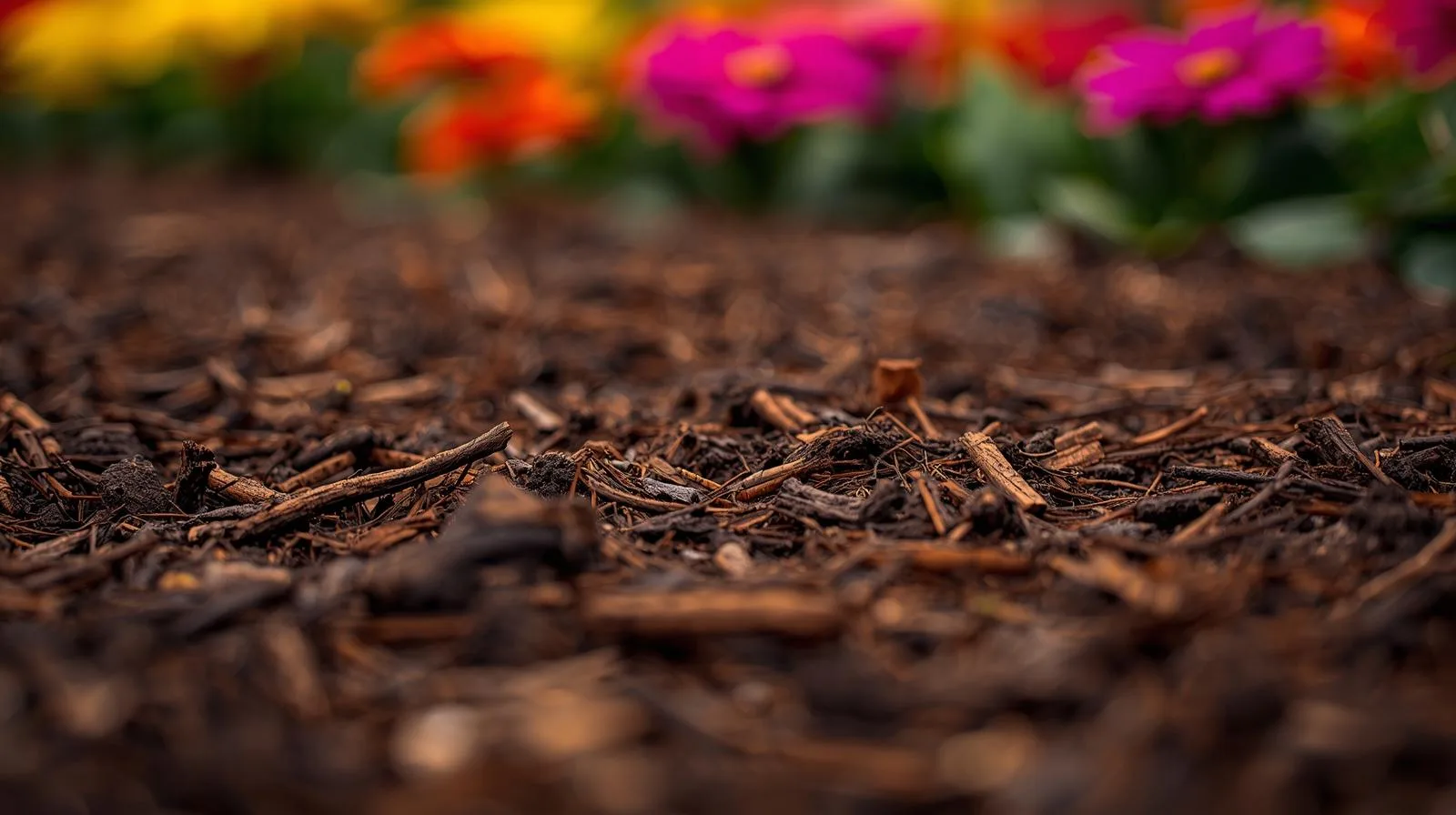
Mulch keeps plant roots cooler, holds moisture in the soil, and gives your beds a finished look. Put it down at the wrong time or pile it too deep and you can harm plants or waste money. For neighbors in Huntersville, Cornelius, Davidson, and the rest of the Charlotte area, timing and depth make the difference.
Pine Valley Turf Management offers mulch installation and full landscaping so your beds stay healthy and look great all year.
The Best Time to Mulch in the Charlotte Area
Our climate has a clear warm season and a cooler winter. Mulch does the most good when you refresh it as the weather warms and plants start growing, or when you are tidying beds in fall.
**Spring.** Once the soil is no longer frozen and winter moisture has started to dry out, usually from mid March into April, is an ideal window. You clear winter debris, maybe add a bit of soil or compost, then spread mulch. That keeps roots cool and moist as temperatures rise and helps suppress early weeds.
**Fall.** After leaves are cleaned up and plants have slowed down, a fresh layer of mulch insulates roots for winter and protects soil from erosion. Many homeowners in Huntersville and Cornelius schedule fall mulch with their fall cleanup so the yard is set for the cold months.
Avoid mulching when the ground is saturated or when a hard freeze is likely. Wet mulch packed around stems can encourage rot, and mulching too late in fall over cold, wet soil can delay spring warming.
How Deep Should Mulch Be?
**Two to four inches is the right range** for most beds. Less than two inches does not do much for weed control or moisture. More than four inches can block air and water from reaching the roots and can trap too much moisture against stems and trunks.
Practical Tips for Depth and Placement
- **Keep mulch away from the base of plants.** Pull it back so there is a small gap between the mulch and the stems or trunk. Piling mulch against the trunk can cause rot and invite pests.
- **Use the same depth across the bed.** A consistent two to three inches is easier to maintain and looks better than thick piles in some spots and bare soil in others.
- **Account for settling.** New mulch will compact a bit. Slightly more depth at installation is fine as long as you stay under four inches after a light rake or settling.
- **Refresh when it looks thin or faded.** In our area, one good application per year often is enough. High traffic or heavy rain may mean touching up once in a while.
How Much Mulch Do You Need?
Mulch is often sold by the cubic yard or in bags measured in cubic feet. One cubic yard covers about one hundred square feet at three inches deep. So a bed that is ten feet by ten feet (one hundred square feet) needs roughly one cubic yard for a three inch layer.
For smaller beds, bags are convenient. A typical bag holds two cubic feet. At three inches deep, two cubic feet covers about eight square feet. Measure the length and width of your beds, multiply for square feet, then divide by the coverage per bag or per cubic yard to get the amount to order.
If you have many beds or a large property, having a professional measure and deliver in bulk saves time and usually costs less per cubic yard than bags. We serve Davidson, Mooresville, and the rest of the Greater Charlotte region with mulch installation and bed maintenance so you get the right depth and coverage without the guesswork.
Why Mulch Type Matters Here
Shredded hardwood and pine bark are common in North Carolina and work well. They break down over time and add a little organic matter to the soil. Pine straw is another option and is popular in our area; it stays in place on slopes and gives a natural look. Choose a type that fits your soil, your plants, and how you want the beds to look.
Getting the timing and depth right keeps your landscape beds healthy and reduces weeds and watering. If you would rather leave the measuring and spreading to someone else, we are happy to help.
Ready to refresh your beds? Get a free quote for mulch installation or full landscape maintenance in the Charlotte area.