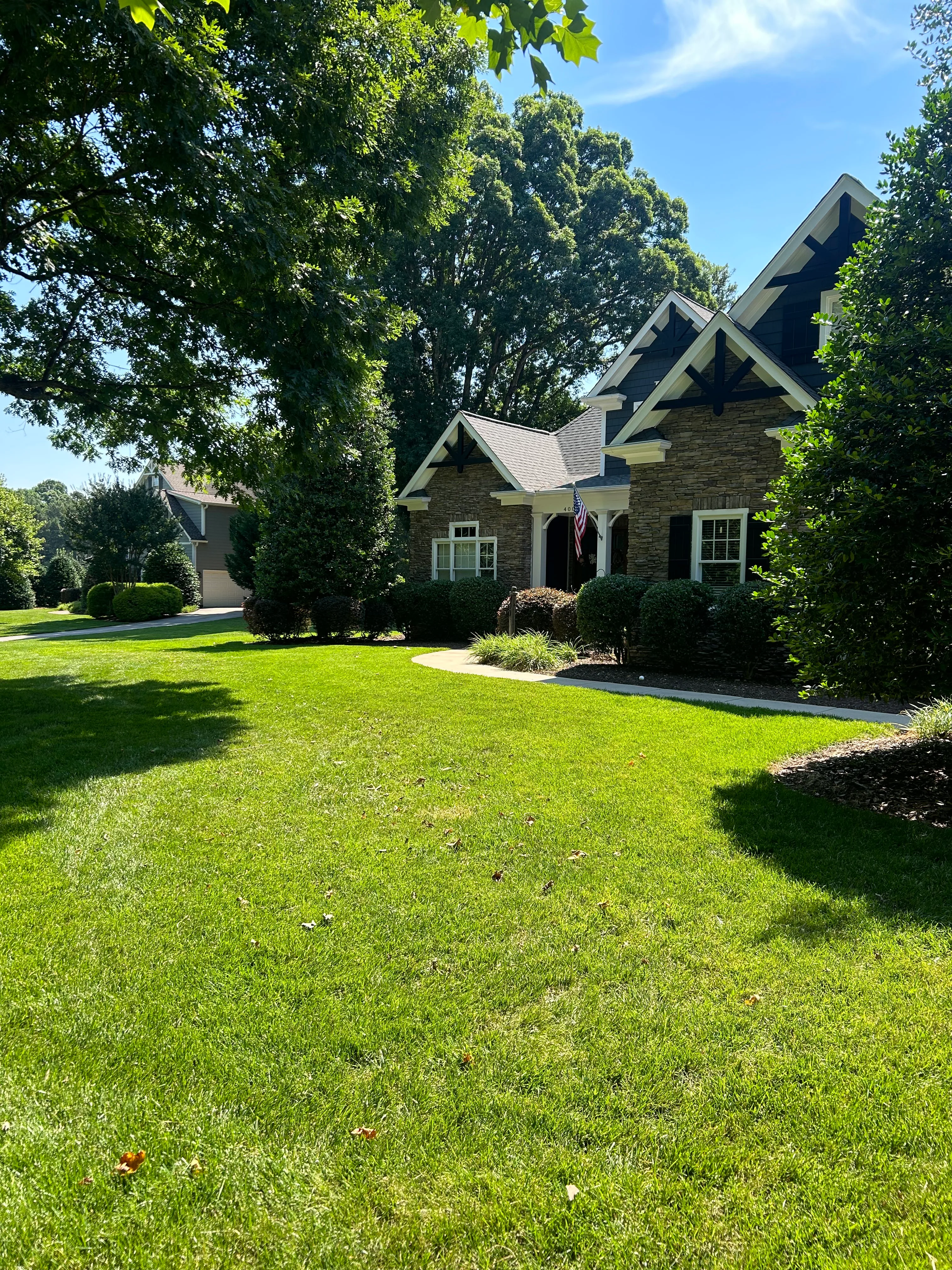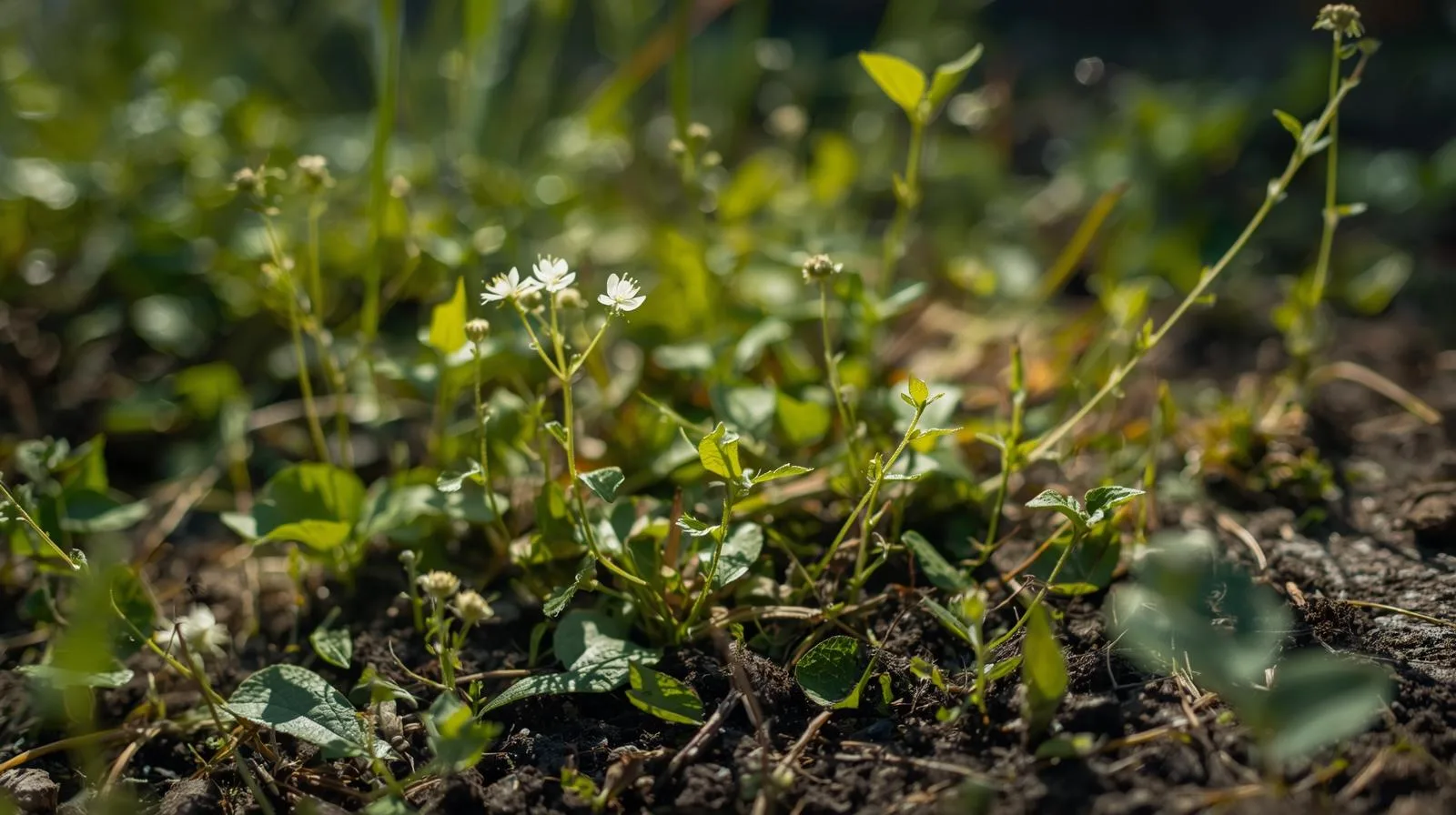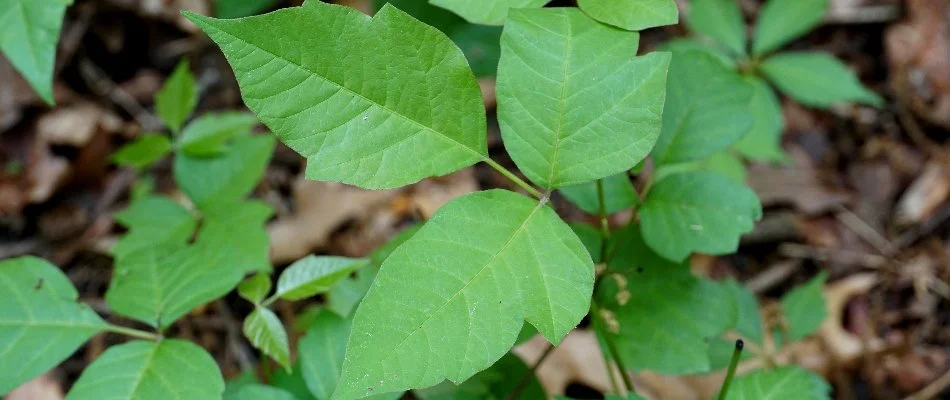
An overgrown property may contain tall weeds, vines, volunteer trees, brush, fallen limbs, and neglected shrubs. A cleanup crew can cut, haul, prune, and restore access. Poison ivy adds another step before aggressive removal begins.
Pine Valley Turf Management offers poison ivy treatment as a dedicated service rather than treating it as one more vine in a general cleanup. We identify the plant, apply systemic treatment during active growth, return for follow-up where needed, and remove dead vines with protective equipment after the treatment has had time to work. The sequence matters because cutting the visible vine before treating the plant can leave the root system active and expose the cleanup crew to more material.
Identify the plant before clearing the area
Poison ivy can grow as groundcover, a low vine, a climbing vine, shrub-like growth, fence-line growth, a tree-climbing vine, mixed growth inside landscape beds, or growth at wooded edges. Other plants can look similar from a distance. We specifically note the importance of distinguishing poison ivy from harmless look-alikes such as Virginia creeper.
Before the estimate, do not mow the suspected patch, pull it, or cut vines from the tree. Photograph leaves from a safe distance, photograph the whole growth pattern, mark the area without entering it, tell us which plants must remain, and keep children and pets away. Correct identification protects desirable vegetation from unnecessary treatment and gives the crew a clearer scope on properties around Charlotte, Matthews, and Waxhaw.
Treatment works through living foliage
Our licensed applicators use systemic herbicide absorbed through actively growing foliage so the treatment can move through the plant. That means timing matters. A vine that has already been cut has less living foliage available to receive the treatment. A plant under seasonal stress or no longer actively growing may not respond the same way.
The proposal should state the area being treated, timing, application method, desirable plants nearby, weather limitations, property access, number of expected visits, follow-up window, removal timing, and homeowner instructions. Do not ask another contractor to cut the patch between treatment and the scheduled follow-up unless we approve the change.
The root and runner system may extend beyond the visible leaves
The largest group of leaves may not define the full plant. Poison ivy can spread through roots and runners into a lawn edge, mulch, shrub bed, fence, woods, neighboring vegetation, tree base, stone wall, drainage area, or utility edge. Our service includes systemic treatment and follow-up applications for stubborn patches because underground growth can continue after one visible section is addressed.
Map isolated plants around the main patch. A wide property inspection may reveal that what looked like one vine is several connected or separate areas.
Dead vines still require careful handling
A brown vine is not ordinary yard debris simply because it is no longer growing. Dead vines are removed using protective equipment, and the plant oil can remain active after the vine dies.
Do not pull dead vines barehanded, burn them, run them through casual household handling, leave cut material where children or pets play, mix them unknowingly into another contractor's debris pile, use them as mulch, or ask an unprepared crew to haul them. The approved scope should explain who removes the material and how the work area is managed.
Tree-climbing vines need two separate evaluations
A thick vine climbing a tree may be poison ivy. The tree can also have its own condition hidden beneath the growth. We provide tree trimming and pruning in addition to poison ivy work.
The project may need to separate poison ivy service (identification, treatment, follow-up, and dead-vine removal) from tree service (tree condition, pruning, deadwood, structural issues, clearance, and removal where appropriate). Removing the vine does not certify that the tree is healthy. The vine may have hidden bark damage, cavities, old wounds, or defects that become visible only after removal.
Fence lines require neighbor and access planning
Poison ivy often grows through or along fences. The treatment may involve growth on both sides of the property boundary. Before service, confirm ownership, speak with the neighbor where needed, provide access, mark desirable plants, identify pets, note irrigation, identify children's play areas, show us where the vine crosses, explain future fence work, and confirm who removes dead material.
We should not be asked to treat another property without appropriate permission. A fence replacement should also be coordinated so the contractor does not begin demolition before the poison ivy process is complete.
Landscape beds need protected application
A poison ivy plant can emerge from beneath hydrangeas, groundcovers, ornamental grasses, or other desirable planting. Our applicators use targeted methods intended to control the poison ivy while protecting nearby plants where possible. That approach pairs with landscape bed weed control when ordinary bed weeds and poison ivy both appear in the same planting.
Tell the technician which plants are valuable, which plants may be removed, about new planting, irrigation, recent mulch, planned renovation, groundcover, tree roots, edible gardens, and pollinator planting. A crowded bed may require a slower and more selective approach than a patch growing alone at the edge of a vacant lot.
Cleanup should wait for the treatment sequence
The overall property project may be divided into stages: identify poison ivy, treat active growth, allow the treatment period, inspect for regrowth, complete follow-up, remove dead vines, perform larger overgrown-property cleanup, restore beds or lawn, and monitor the area.
We also provide overgrown-property cleanup, landscaping, bed weed control, and full-service maintenance. Those services can follow the poison ivy plan without treating them as the same appointment. Browse the full menu under services when you want to see how the pieces sit beside each other.
Keep a follow-up map
After the main patch is cleared, photograph the area and mark the original patch, isolated plants, treated trees, fence line, bed, lawn edge, regrowth, follow-up date, new planting, and any area still excluded from use. Check the map during the next active growing period. A small new plant is easier to address than another mature vine reaching the tree canopy.
Pine Valley Turf Management serves Charlotte, Concord, Huntersville, Mooresville, Matthews, Waxhaw, Weddington, Fort Mill, Indian Land, and surrounding communities from Indian Trail. Related posts stay on the blog, including our companion piece on Kentucky bluegrass pre-emergent timing. Call 704-831-8917 or use the contact page for poison ivy evaluation and treatment.