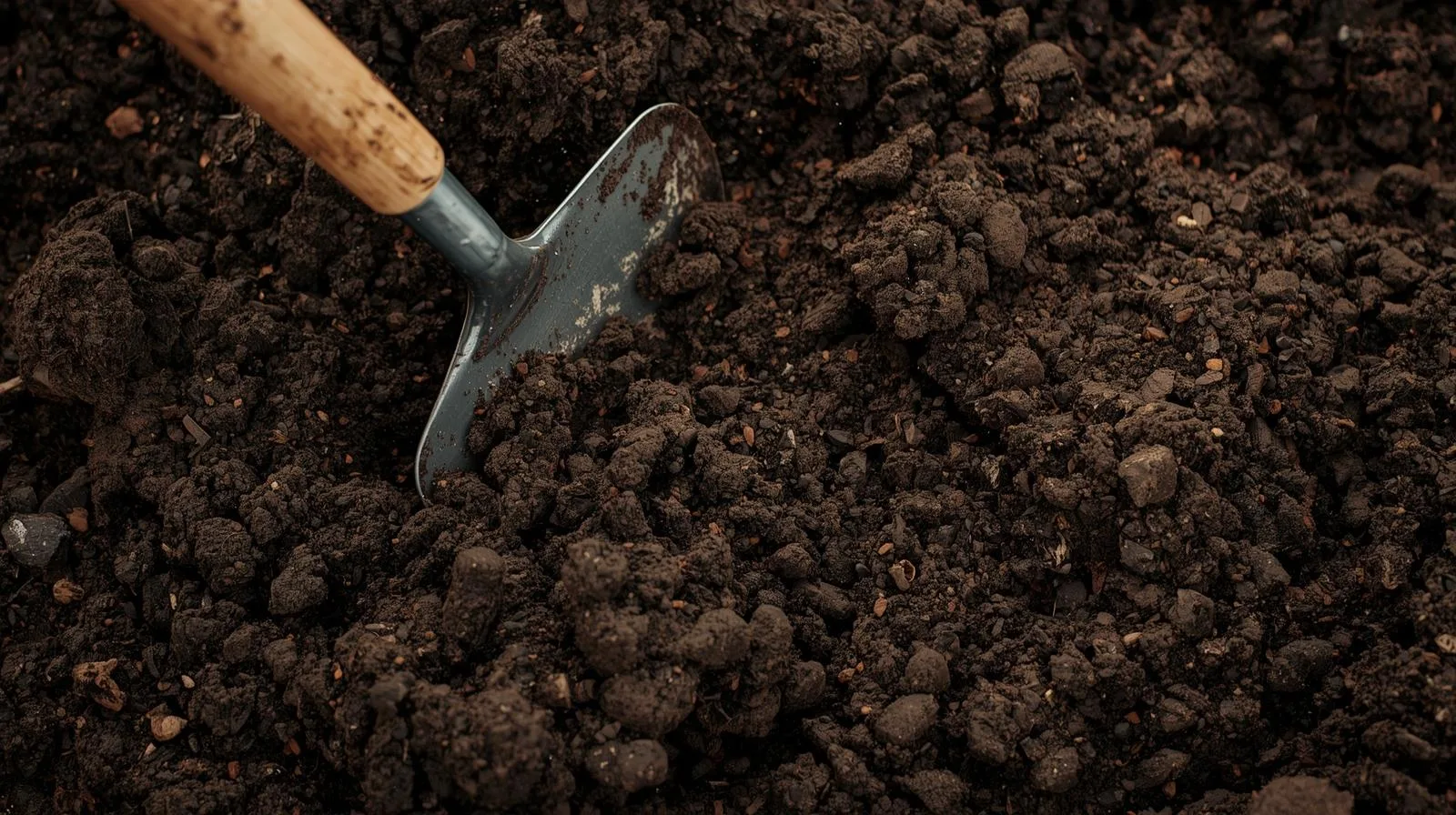
Lime on red clay without a current soil test and a rate based on buffer pH is guesswork dressed as tradition. Planning lime from fresh lab results pairs [lime treatments](/services/lime-treatments/) with [soil conditioning](/services/soil-conditioning/) timing that matches Piedmont weather. Split applications on steep Piedmont lots often beat a single heavy pass that never reaches the root zone on clay. Store rates beside retest dates so the next fall starts with numbers, not guesswork. Ask whether magnesium and calcium targets both appear on the report before product is ordered.
Reading a current soil test on red clay
Buffer pH and base saturation guide lime need more than a single pH integer on Piedmont reports. Two lawns with identical pH can need different tonnage because clay reserves differ.
Organic matter percentage changes how lime moves in the top profile. Low matter on new lots may need split rates and follow-up testing sooner than established turf.
Bring irrigation water chemistry notes when wells feed the system; bicarbonates can influence long-term drift beside labeled soil results.
Choosing lime products for residential lots
Pelletized dolomitic lime supplies magnesium where tests show need; calcitic lime fits when magnesium is already adequate. Product choice should follow the lab, not whichever bag is stocked.
Avoid applying lime the same week as heavy nitrogen unless programs are intentionally coordinated. Stagger events so roots are not stressed on hot clay afternoons.
[Lime treatments](/services/lime-treatments/) paired with mowing at moderate height keep pellets from lodging in tall thatch on irrigated fescue.
Calendar versus soil contact
Traditional Labor Day lime passes help when rain and aeration follow. Lime sitting on leaf blades without soil contact on compacted clay moves pH slowly if at all.
Winter applications can work on dormant turf when pellets reach soil and freeze-thaw cycles help incorporation on sloped [Fort Mill](/areas/fort-mill-sc) yards crossing the state line.
Do not lime simply because neighbors did; Piedmont soils within one subdivision vary with fill, grading, and past landscape imports.
Integrating fertility after lime
Phosphorus and potassium programs should respect new pH targets so nutrients stay available through spring green-up. [Lawn fertilization](/services/lawn-fertilization/) plans should note lime dates on the same sheet.
Iron chlorosis-like symptoms may fade after correct lime, but micronutrient sprays are not substitutes for fixing pH on clay.
Wait the labeled interval before harsh herbicides on freshly limed turf if product labels specify soil pH or recent amendment restrictions.
Aeration and soil conditioning synergy
Core aeration before or after lime on open profiles increases contact in the zone roots use. [Soil conditioning](/services/soil-conditioning/) with compost topdress on cores can stabilize biology on red clay.
Avoid compacting freshly limed soil with heavy equipment or repeated foot traffic across wet yards.
Repeat aeration on young construction lawns on a schedule rather than as a one-time miracle pass.
Records that survive resale
Store lab PDFs, application dates, and rates in the same folder as irrigation maps. Buyers inherit clay chemistry whether or not anyone remembers 2026 decisions.
Retest on the schedule the agronomist suggests, usually before major program changes each fall.
Email results through [contact](/contact/) or call **704-831-8917**. Pine Valley Turf Management builds lime plans from recent tests on Greater Charlotte red clay, then ties [lawn care](/services/lawn-care/) steps to what the numbers actually say.
Coordinating lime with fall turf work
Lime moves slowly on clay when turf is thick and irrigation keeps the surface wet. Aeration and modest topdress improve contact without assuming tillage across the whole yard.
Programs that stack lime, heavy nitrogen, and preemergence in the same fourteen-day window stress roots on Piedmont lawns. Sequence events so chemistry and biology can respond.
Retail bag rates target generic regions; Piedmont red clay often needs professional tonnage calculations split across seasons. Overshooting to save a trip costs more in micronutrient correction later.
Attach lime invoices to soil tests in the same cloud folder so the next consultant does not repeat an unnecessary ton on Fort Mill slopes crossing the state line.
Bring target pH from the lab, not from a neighbor recommendation, when you request a lime quote. Rates on Piedmont clay should cite the report box, not a rule of thumb from sandy coastal soil.
* **Disclaimer:** This article is for general informational purposes only. It is not professional advice, a quote, or a service agreement. Conditions at your home or property may differ; contact a qualified professional for an on-site evaluation before making repair, safety, or spending decisions.*