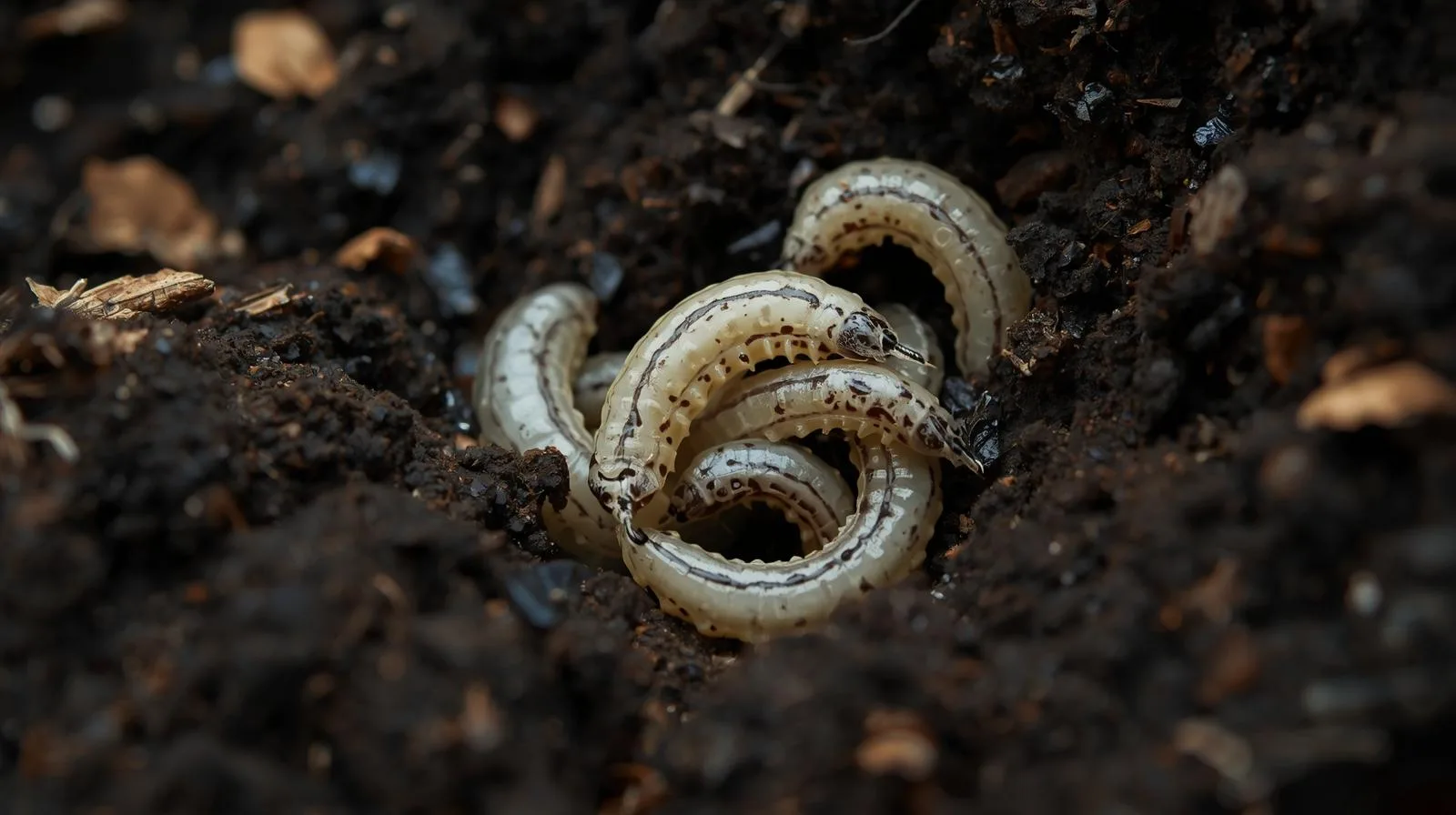
Robins and crows concentrated on one sunny strip usually mean something soft under the turf. Grub tunnels near those bird peck marks on [Pineville](/areas/pineville-nc) parkways need a shovel sample before a calendar [grub control](/services/grub-control/) application on the entire lawn. Sunny margins warm sooner in fall and keep larvae active while shaded centers look untouched. Localized treatment begins with the square foot birds revisit daily. Repair pecked turf quickly so winter weeds do not follow the same opening.
Bird activity as a surface clue
Starlings, crows, and robins pecking the same sunny margin usually follow moisture, insects, or soft thatch underfoot. On Piedmont lawns in early fall, white grubs near the surface are a common reason.
Peck marks scattered across irrigated turf without a pattern may be incidental feeding. Concentrated plates along the parkway or beside a driveway suggest larvae tunnels below.
Watch whether birds return the morning after irrigation. Softened soil makes grubs easier to extract and can exaggerate damage visibility.
Confirming tunnels before treatment
Cut a one-foot square three inches deep in the active zone and fold back turf like sod. Grubs curled in tunnels confirm insect pressure; absence suggests birds hunted earthworms or crane fly larvae instead.
[Grub control](/services/grub-control/) chemistry and timing depend on species and size class. A sample in a clear bag helps avoid treating the entire lawn for a localized edge population.
Photograph peck plates with a ruler for scale before repair. Those images document whether damage spreads week to week.
Irrigated turf that still looks green above
Roots can be thinned while blades remain green on fertilized fescue with steady water. [Lawn insect control](/services/lawn-insect-control/) decisions should include root pulls, not only color photos.
Sunny margins warm faster than shaded centers, which accelerates grub feeding timelines along the same lot. Perimeter-focused scouting matches how Charlotte heat pools organize insects.
Do not confuse grub injury with heat drought on the same strip. Tug test on handfuls of turf; grub-damaged roots release cleanly when larvae have severed attachments.
Repair after localized feeding
Rake peck debris, firm soil lightly, and seed or sod patches before winter weeds occupy open clay. Small peel-backs recover faster when irrigation is directed only at repair zones.
Defer heavy nitrogen until roots reattach. Modest potassium supports stress recovery without pushing blade growth on thinned crowns.
Keep birds off fresh seed with light mulch or temporary netting when pecking habits persist on the same real estate.
Preventive timing on Piedmont lawns
Preventive applications follow regional timing windows tied to egg hatch, not to when damage becomes obvious. Calendar cards from other states rarely match Carolina soil warmth along sunny edges.
Previous year damage along the same parkway justifies monitoring even when this year looks fine in August. Localized history beats blanket prevention on every acre.
Combine preventive plans with [aeration](/services/aeration/) where compaction concentrates traffic and feeding on clay.
Next steps with Pine Valley Turf Management
Send photos of peck marks, irrigation schedule, and whether raccoons or skunks also dig at night. Night diggers and bird plates tell different stories on the same lawn.
Browse [blog](/blog/) articles on seasonal turf stress before stacking insecticide on green turf with unexamined roots.
Grub tunnels near bird peck marks are solvable when inspection precedes broadcast treatment on Greater Charlotte fescue.
Wildlife signals on Piedmont parkways
Sunny parkways warm early in spring and stay porous longer in fall, which concentrates insect and bird activity on the same margins homeowners use as judging zones for the whole yard.
Moles and voles can disturb turf beside grub injury. Note tunnel diameter and whether soil lifts in ridges; mammals and larvae leave different repair plans on clay.
Over-irrigated parkways stay soft for probing beaks while the shaded backyard soil firms. Wildlife maps follow water almost as clearly as they follow species.
When children play on pecked zones, repair torn turf promptly. Open soil invites additional birds and winter weeds on thin fescue the same week.
Compare the same parkway with a soil probe in September and November. Softening that tracks bird visits often correlates with tunnel activity even when blades still pass a quick tug test.
* **Disclaimer:** This article is for general informational purposes only. It is not professional advice, a quote, or a service agreement. Conditions at your home or property may differ; contact a qualified professional for an on-site evaluation before making repair, safety, or spending decisions.*