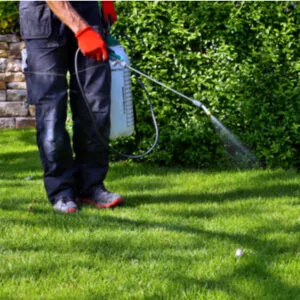
The first weeks of April in North Carolina are when cool season grass wakes up fast, pollen counts climb, and weekend lists collide. Your mower is out, the beds are half green with winter weeds, and every neighbor seems to be doing something loud at once. This guide anchors the period right after the typical spring prep articles you may have already read. Think of it as a short calendar window for Charlotte area lots from Harrisburg to Fort Mill when growth accelerates and small choices stack.
Pine Valley Turf Management supports this stretch with lawn care, spring cleanups, weed control, and related services so you are not guessing alone.
Read the lawn before you chase trends
Grass color in early April often looks uneven because soil temperature and sun exposure differ front to back. Walk the yard after dew dries and note thin lines along concrete, dog paths, and shaded sides. Those maps tell your technician more than a single photo from the street. If you plan aeration or feeding shifts, share those maps when you request a visit.
Mowing without drama
Raise the deck if you dropped it last summer for a tight look. Tall fescue handles early spring growth better with a taller cut that preserves leaf area for photosynthesis. Alternate striping direction weekly if you can so wheels are not wearing the same ruts. If grass stays wet from shade or irrigation overlap, wait for a drier afternoon cut so clippings do not clump in rows that shade young tillers.
Edges and hardscapes
Spring growth creeps over sidewalks fast. A crisp edge between turf and concrete reads cared for even when color is still catching up. Pair edging with spring cleanups if winter pushed soil or mulch onto pavement.
Beds between seasons
Winter annuals are fading while summer weeds are scouting bare soil. Pull obvious seed heads before they drop if you are hand weeding this week. If beds border turf, consider how landscape bed weed control fits your program so grass runners and bed weeds stop trading territory. Refresh mulch where it has broken down to paper thin layers.
Irrigation reality check
Run each zone for a known interval and walk the yard after thirty minutes. Look for runoff on clay, dry pockets under tree canopies, and heads blocked by new growth. Early April is easier for these checks than July when stress shows up as brown blotches you cannot rewind quickly. If water always collects in one zone, mention it when you talk about yard drainage options.
Pollen, patios, and furniture
Yellow dust on tables does not hurt turf, but it signals peak outdoor season is here. Knock cushions off, rinse hardscapes if you care about film on stone, and keep debris off heat stressed corners of the lawn where piles block sun. This is also a good week to schedule any outdoor projects that require foot traffic so you can follow with recovery steps your technician recommends.
Fertilizer timing and neighbor chatter
Everyone has an opinion on when to feed. Your soil, shade, and last season’s program matter more than a generic holiday on the calendar. If you are already on lawn fertilization with us, early April is often a conversation point rather than a sudden change. If you are not on a program, ask how spring visits align with weed control so you are not working against your own goals.
Trees and shrubs in the same glance
While you watch grass, glance up. New leaves change light levels on ground beds. If lower branches now shade a strip that used to bake, that strip may need a different seed strategy later in the year, not more of the same fertilizer. Our shrub and tree services can align with turf plans when pruning or plant health affects sunlight.
Projects that can wait until mid April
Large bed widening, heavy topdressing, and full yard overseeding can often wait until you see how evenly grass is filling once nights stabilize. Map bare patches now, then confirm timing with your technician so renovation style work does not collide with peak foot traffic from spring events. The same pause helps tree shade patterns settle so you do not plant sun loving annuals in a strip that darkens by May.
One calm order of operations
- Sketch thin spots and wet spots on a simple diagram.
- Clean beds and edges before major color installs.
- Mow tall enough to support spring recovery.
- Talk with a pro before stacking new products on top of old guesses.
Early April rewards steady observation more than rushed heroics. When you want a second set of eyes on that window, contact Pine Valley Turf Management for a free quote. We serve Mecklenburg, Union, Cabarrus, and nearby South Carolina communities with programs tuned to local clay, heat, and growth curves.