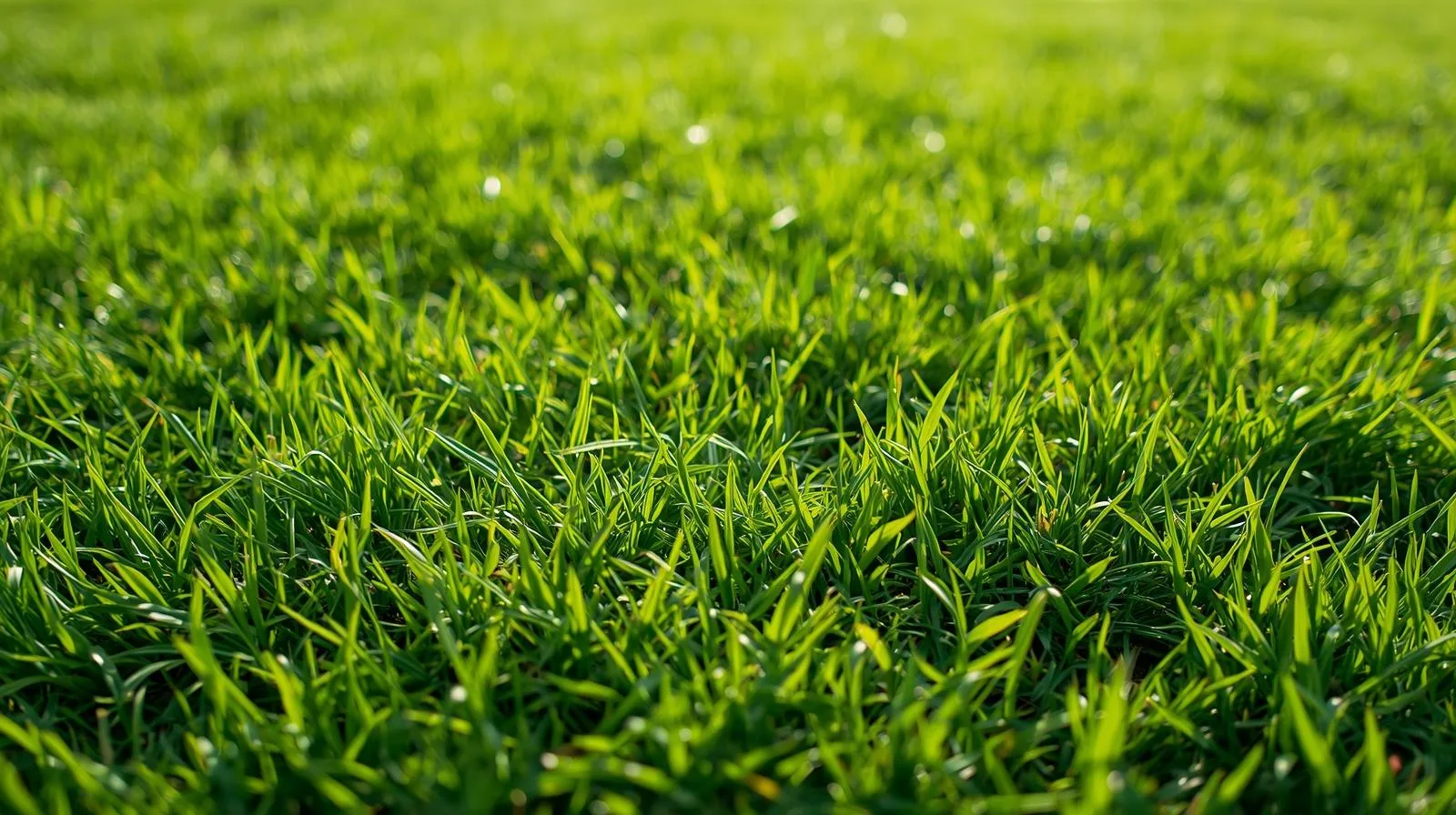
Walk a neighborhood in Kannapolis or Harrisburg in late March and you will see a split screen. Some lawns already look deep green and uniform. Others look tired, slightly yellow, or striped even when irrigation is fine and mower height is reasonable. That look often arrives before winter weeds fully fade or summer weeds arrive. It is a clue that the grass is short on fuel or root support, not only fighting invaders.
Pine Valley Turf Management builds programs that pair lawn fertilization with weed control and, when needed, soil conditioning so color and density improve for the right reasons.
Color is a lagging signal
Grass does not turn pale overnight. By the time you notice a shift, the plant may already have burned through reserves from last season or be sitting in soil that holds nutrients poorly. Heavy clay, common around the Charlotte metro, can tie up nutrients when pH is off. Thin turf also catches more sun on the soil surface, which wakes weed seeds and dries the crown zone faster.
Weeds love a slow lawn
A lawn that is thin or underfed gives weeds light, space, and time. Pre-emergent and post-emergent herbicides are important tools, but they work best when the desirable grass is competitive. Think of fertilization and soil correction as widening the lane your grass occupies so weeds have less room to sprint when soil temperatures rise.
Balanced feeding in this window aims to do three things
- Support root growth during cool spring nights so the plant can handle the first hot weeks of May and June.
- Avoid wild surges of top growth that look good for two weeks and then collapse when stress hits.
- Align with realistic mowing and watering so you are not fighting your own schedule.
Lime and soil chemistry
When color stays off even after careful feeding, lime treatments or other adjustments may be part of the story. We do not guess blindly. Site history and how your yard actually behaves matter. If compaction starves roots, core aeration in the proper window helps fertilizer reach the zone where roots live. Fall is still the main aeration and overseeding season for tall fescue. Our fall aeration and overseeding article covers that timing so a pale March lawn is not treated with the wrong season's tool.
A practical spring mindset
Notice pale or uneven color early, before you are only reacting to crabgrass or broadleaf outbreaks. Pair that awareness with a lawn care program that treats nutrition, weeds, and soil as connected pieces instead of three separate emergencies.
Contact Pine Valley Turf Management for a free quote if your Charlotte area lawn looks hungry before it looks weedy. We serve Kannapolis, Harrisburg, Charlotte, and surrounding communities.