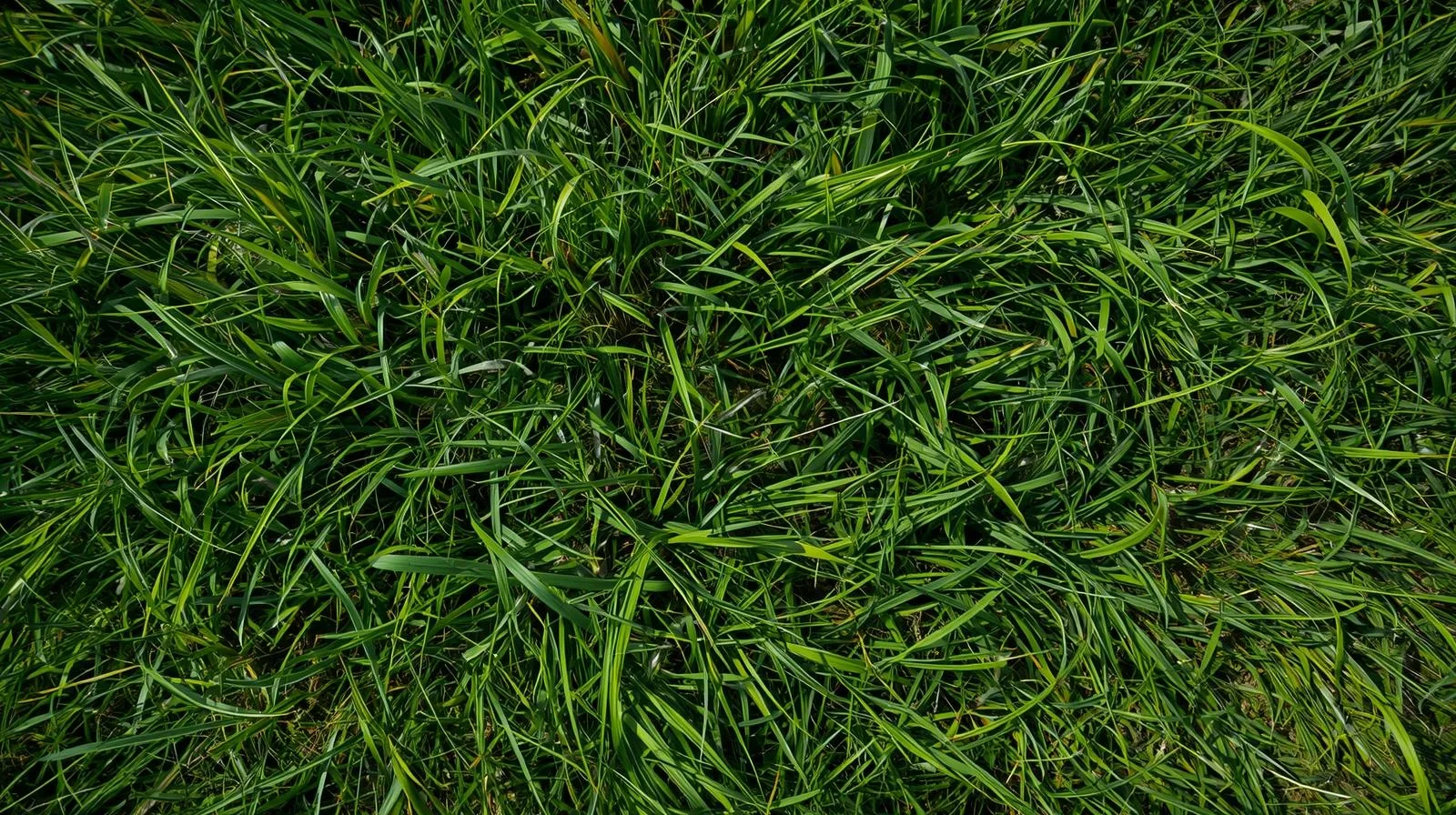
Bermudagrass creates an odd conversation in Charlotte lawn care because it can be exactly what one homeowner wants and exactly what the next homeowner is trying to control.
A full Bermudagrass lawn is a warm-season turf choice. It greens up and grows actively during warm weather and can be the intended grass across the entire property. Pine Valley Turf Management also works with fescue and Zoysia lawns, and our quote form asks customers to identify which grass type they have before we build the service plan.
The problem comes when Bermudagrass is not the lawn.
We have a dedicated Bermudagrass Suppression Program for warm-season Bermudagrass spreading through a cool-season fescue or bluegrass lawn. The current program uses three applications timed during active Bermudagrass growth.
That distinction matters because asking a lawn company to "get rid of Bermuda" does not mean much until everyone agrees on what the desired lawn is supposed to be.
Start by deciding which grass you are trying to keep
A mixed lawn can be confusing during the growing season.
The homeowner may have a mostly fescue front yard with a patch of Bermudagrass spreading from a sunny edge. Another property may intentionally have Bermudagrass across most of the lawn and only a few leftover patches of another grass.
Those are opposite management goals.
We describe our suppression service specifically as a program for Bermudagrass invading cool-season turf. It is not a general treatment that belongs on every lawn containing Bermuda.
Before anything is applied, the technician needs to know what the finished lawn is supposed to be.
That sounds obvious, but mixed lawns often develop gradually. A homeowner may have bought the property after several grass types were already present. Another lawn may have begun as fescue and slowly picked up warm-season grass from neighboring areas or older landscaping.
A good starting point is simply to show us the sections you want to preserve. That conversation often starts on a property walk in Charlotte, Matthews, or Waxhaw.
Bermudagrass does not behave like an annual weed
A dandelion appears in the lawn and can be treated as one plant.
Bermudagrass spreads.
Our service page specifically calls out both above-ground runners and underground growth as reasons Bermudagrass can move through cool-season turf.
That spreading habit is why we use a three-application program instead of describing suppression as one service call.
The homeowner should set expectations accordingly.
A visible patch is not necessarily limited to the exact blades seen above the soil. The lawn company is managing a grass that is actively trying to occupy more space during its growing season.
That also explains why pulling a few runners from the edge of a bed may make the area look cleaner without necessarily solving the larger turf problem. Bed edges still matter, which is why landscape bed weed control can show up in the same property conversation.
Sun can make the contrast more obvious
Bermudagrass and tall fescue do not follow identical seasonal rhythms.
In a mixed lawn, that difference can make the unwanted patches especially noticeable at certain times of year. We note that Bermudagrass goes dormant and turns brown during colder weather while cool-season turf may remain green.
A homeowner who barely noticed the mixed grass during one part of the year may suddenly see obvious patches later.
That does not mean the Bermudagrass appeared overnight.
The seasonal color difference simply made the boundaries easier to see.
Sunny areas can also be where the spread becomes most obvious. Our recent Charlotte content already references Bermudagrass runners moving along lawn and bed edges on mixed properties.
Those edges are worth showing the technician during the first evaluation.
Suppression should be coordinated with the fescue plan
If the goal is a fescue lawn, Bermudagrass suppression is only one part of maintaining that turf.
Our lawn care services also include fertilization, weed control, core aeration, overseeding, soil conditioning, disease management, insect control, and lime treatments. We specifically recommend fall aeration and overseeding for tall fescue lawns in the Charlotte region.
That matters because removing competition does not automatically create dense desirable turf in the space left behind.
The homeowner and lawn company should discuss what the fescue needs as the broader program continues.
Thin areas may need overseeding at the appropriate time. Soil conditions may deserve attention. Mowing and irrigation still affect how well the desired grass competes.
Suppression should fit the lawn plan rather than becoming the entire lawn plan. Browse the wider menu under services when you want to see how those pieces sit beside each other.
Do not confuse suppression in fescue with maintaining a Bermuda lawn
This may be the most important point.
Bermudagrass is not automatically a weed because it appears in a Charlotte yard.
Our own quote form separates fescue, Bermuda, and Zoysia as legitimate lawn types.
A homeowner with an intentional Bermuda lawn needs a program built around that grass.
A homeowner trying to preserve fescue while Bermuda moves through it has a completely different objective.
That is why grass identification belongs at the beginning of the conversation.
We have served the Greater Charlotte area for 19 years from Indian Trail and work with homeowners across Charlotte, Concord, Huntersville, Mooresville, Matthews, Waxhaw, Weddington, Fort Mill, Indian Land, and surrounding North Carolina and South Carolina communities. More background is on the about page, and related posts stay on the blog.
Call us at 704-831-8917 or use the contact page and tell the team what grass you are trying to keep, not simply which grass you dislike seeing. That gives the technician a much better starting point for deciding whether Bermudagrass suppression actually belongs in the program.